In short: The cornicello, or Italian horn, is a small curved horn charm worn for luck and protection against the malocchio, the evil eye. It comes from Naples and southern Italy, is traditionally made of red coral, gold or silver, and is meant to be received as a gift.
In Naples and in many Italian-American families, the small horn is everywhere: on a gold chain, a key ring, a charm bracelet. It is one of the most familiar Italian symbols.
It also comes with a few customs worth knowing before you give one. Here is what the horn means, what it is made of, and who to give it to.
What is a cornicello?
Cornicello means little horn in Italian. You will also hear it called a cornetto, a corno, or simply the Italian horn.
It is a slim, curved horn, often with a gentle twist, that tapers to a point. Most are small enough to wear on a necklace or bracelet, though larger ones are kept at home.
The shape is very old, and the stories of where it began vary. Its home today is clear: Naples, the south of Italy, and the Italian-American communities whose families came from there.
What does the Italian horn mean?
The horn is worn for luck and, above all, for protection against the malocchio, the evil eye. The malocchio is the old belief that envy or a jealous look can bring bad luck on a person.
In southern Italian families, the horn is one of several ways to keep the malocchio away. Some families also have their own ways of lifting it, which vary from town to town and are usually passed down quietly within the family.
For many people today, the horn is as much about family as superstition. It is a link to grandparents and to the south, worn the way someone else might wear a family ring.
What is a cornicello made of?
Traditionally, the horn is made of red coral, gold or silver. Red is the classic color, and Torre del Greco, a town near Naples, has been known for its coral carvers for generations.
Today you will also find horns in red enamel, glass, gold-plated silver and stainless steel. Real coral is rare and delicate, so many modern horns use red enamel or glass for the classic look. Choose the metal the person already wears, so the horn sits well with their other jewelry.
Why should a cornicello be given, not bought for yourself?
Many people believe a horn only brings luck if someone gives it to you. Buy your own, the saying goes, and it does not carry the same protection. It is a common belief rather than a rule, and families take it more or less seriously.
That custom is why the horn is so often a gift. It is also why so many people still wear the first one they received, often from a parent or grandparent.
Who do you give an Italian horn to, and when?
The horn suits a moment when someone is starting something new, or could use a little luck.
- A new baby or a baptism. Many families give a horn to a newborn. Keep a necklace put away until the child is old enough to wear it safely.
- A First Communion, confirmation or graduation, often alongside a small cross or saint's medal.
- A new job, a new home, a wedding or a big move.
- Someone leaving for college or for a long trip.
- Christmas or a birthday, for anyone with southern Italian roots who never had one, or lost theirs.
-
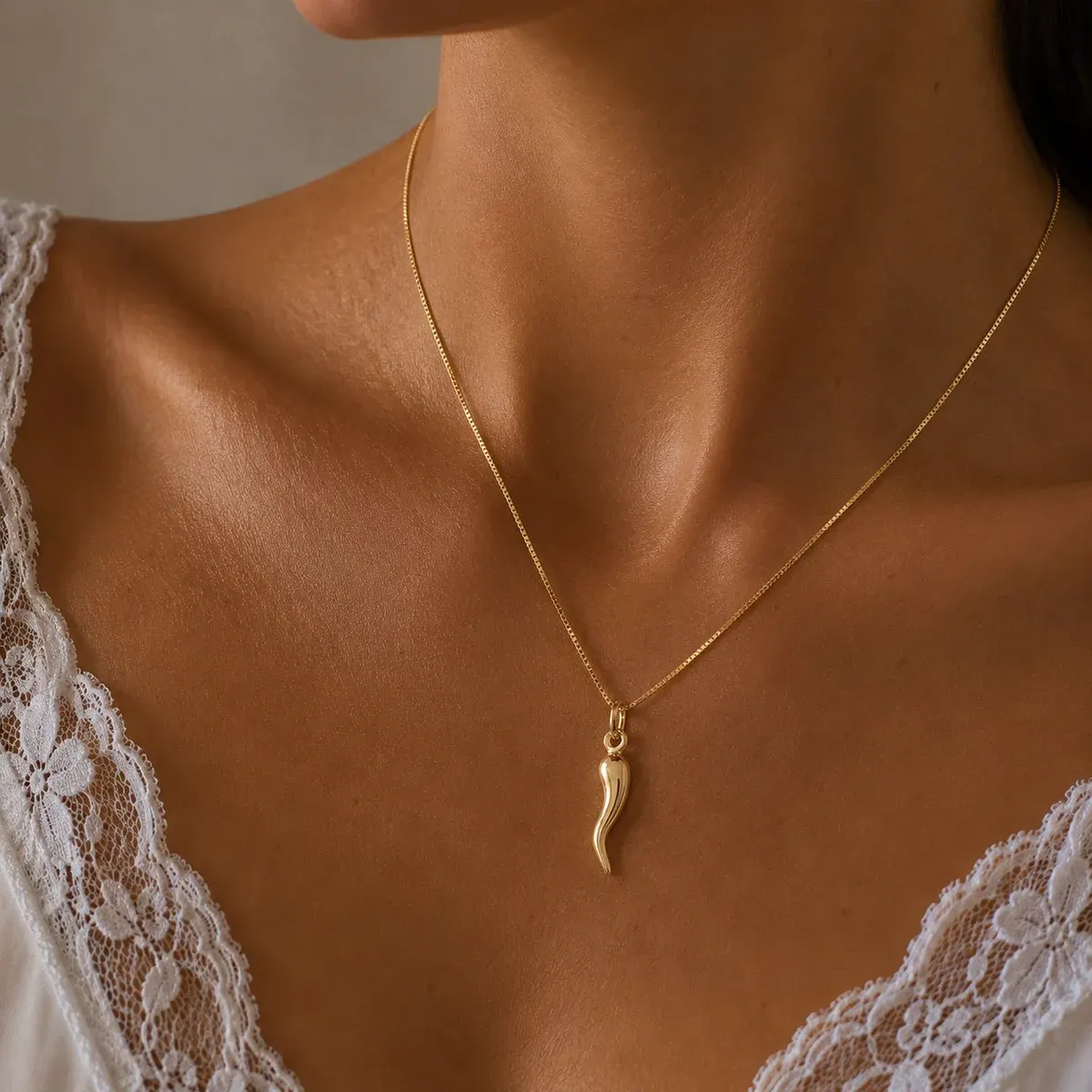
Italian Horn Necklace
Hardcore Italians
$145
-
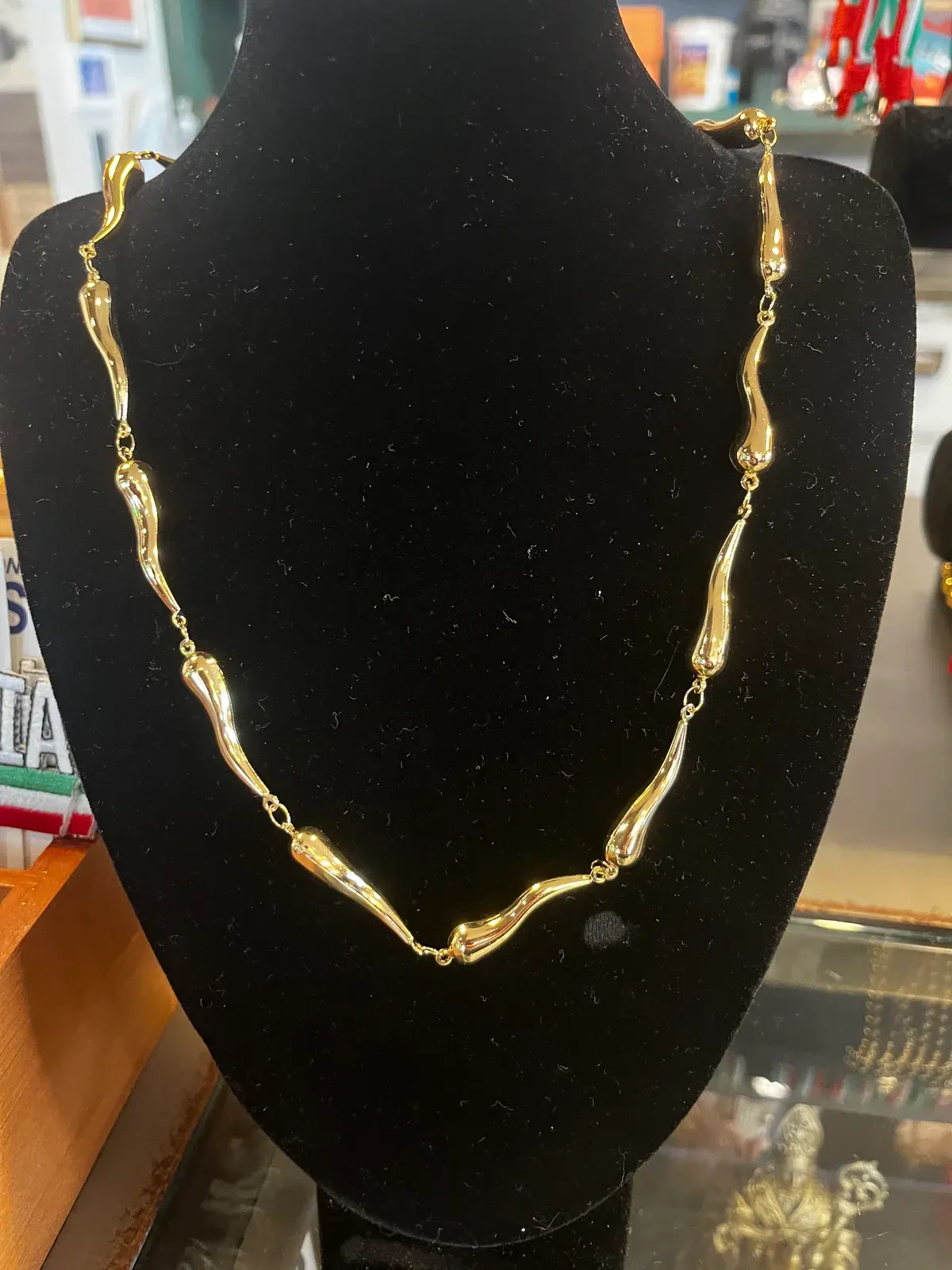
Gold-Plated Cornicello Necklace
Red Sauce Studio
$30
-
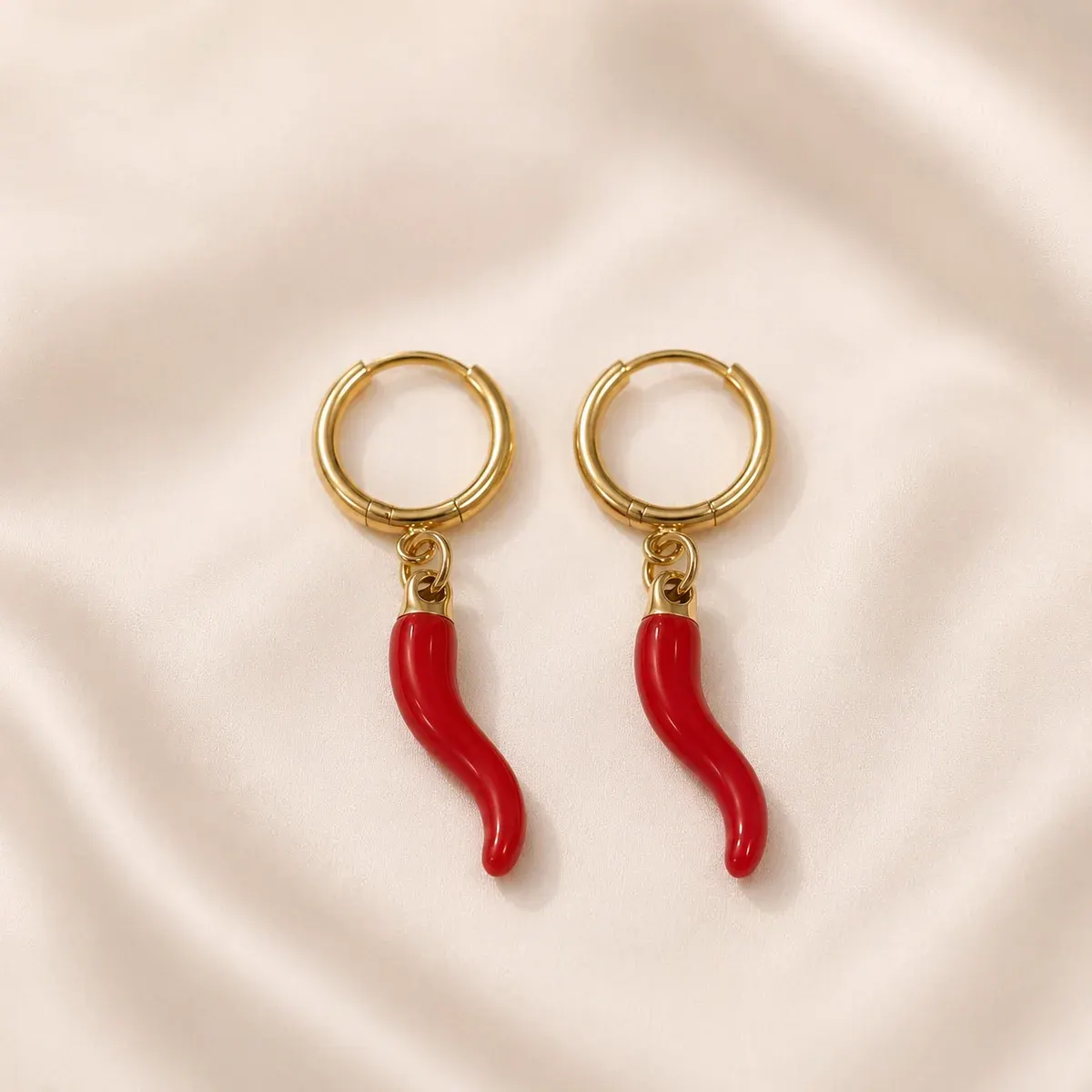
Red Corno Hoop Earrings
Hardcore Italians
$30
-
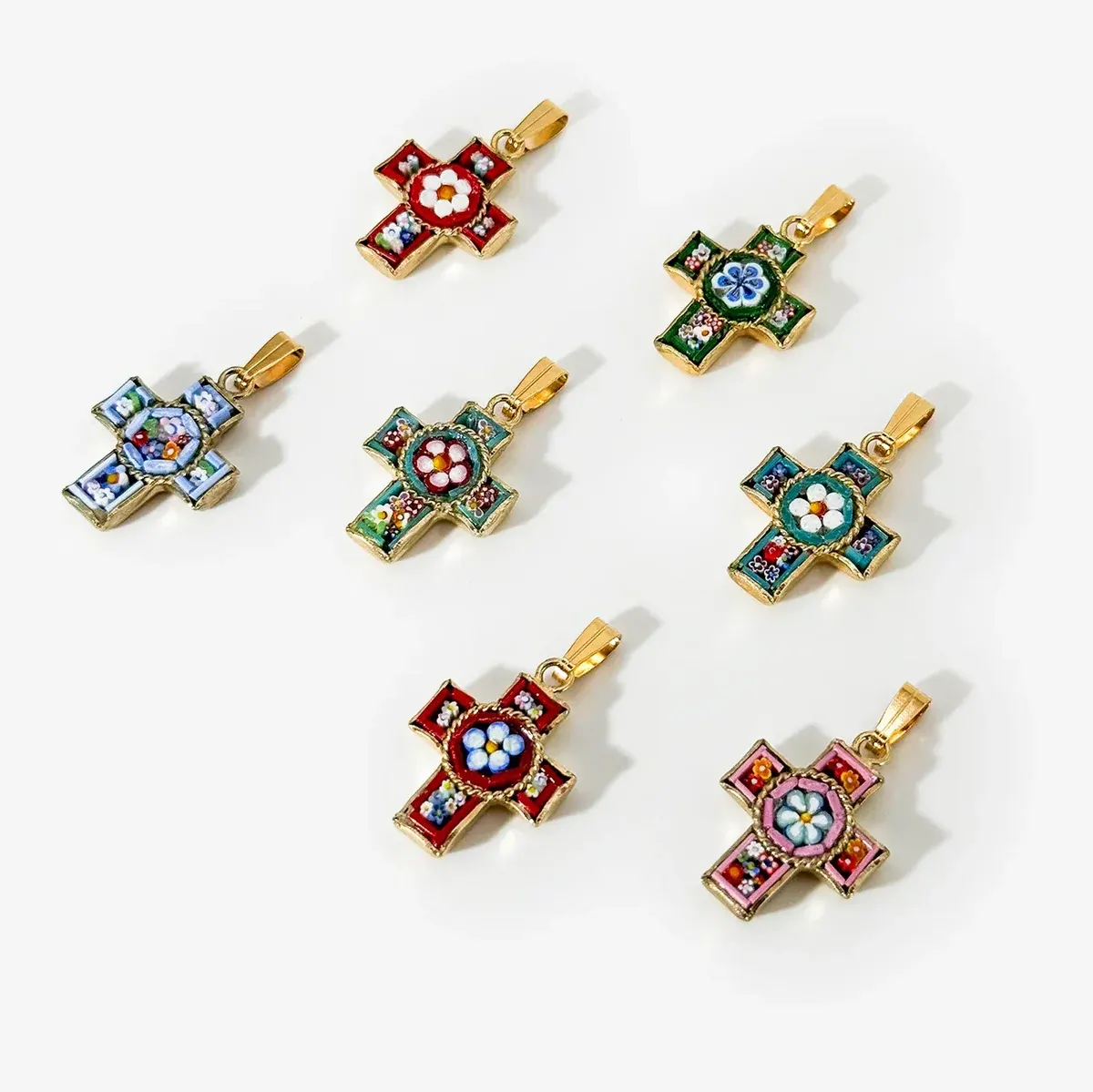
Florentine Mosaic Mini Cross Pendant
My Italian Decor
$48
Made in Italy -
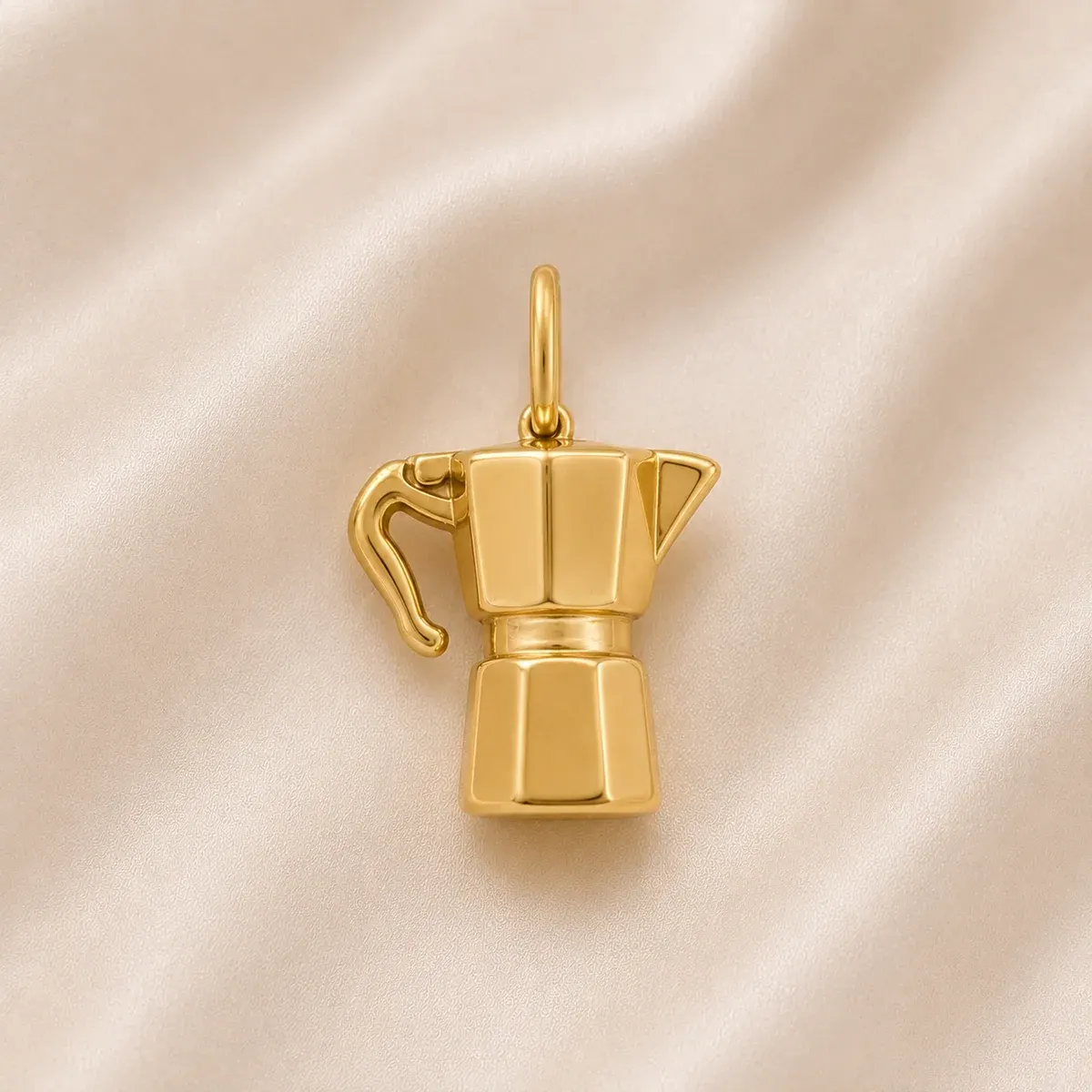
Moka Pot Espresso Charm
Hardcore Italians
$30
What other gifts suit someone with southern Italian roots?
Many people wear the horn on the same chain as a cross or another small charm, so a second charm is a good way to add to one they already have. Beyond jewelry, the rest of the gift can nod to the south too.
San Gennaro is the patron saint of Naples, and his September feast in New York's Little Italy has drawn crowds for generations. Sicilian families often hold the Trinacria, the three-legged emblem on the island's flag, close. Frutta martorana, marzipan shaped like fruit, is a Sicilian sweet many remember from home. For more pieces to wear, browse our Italian jewelry gifts.
-

San Gennaro Signature Tee
Red Sauce Studio
$35
-
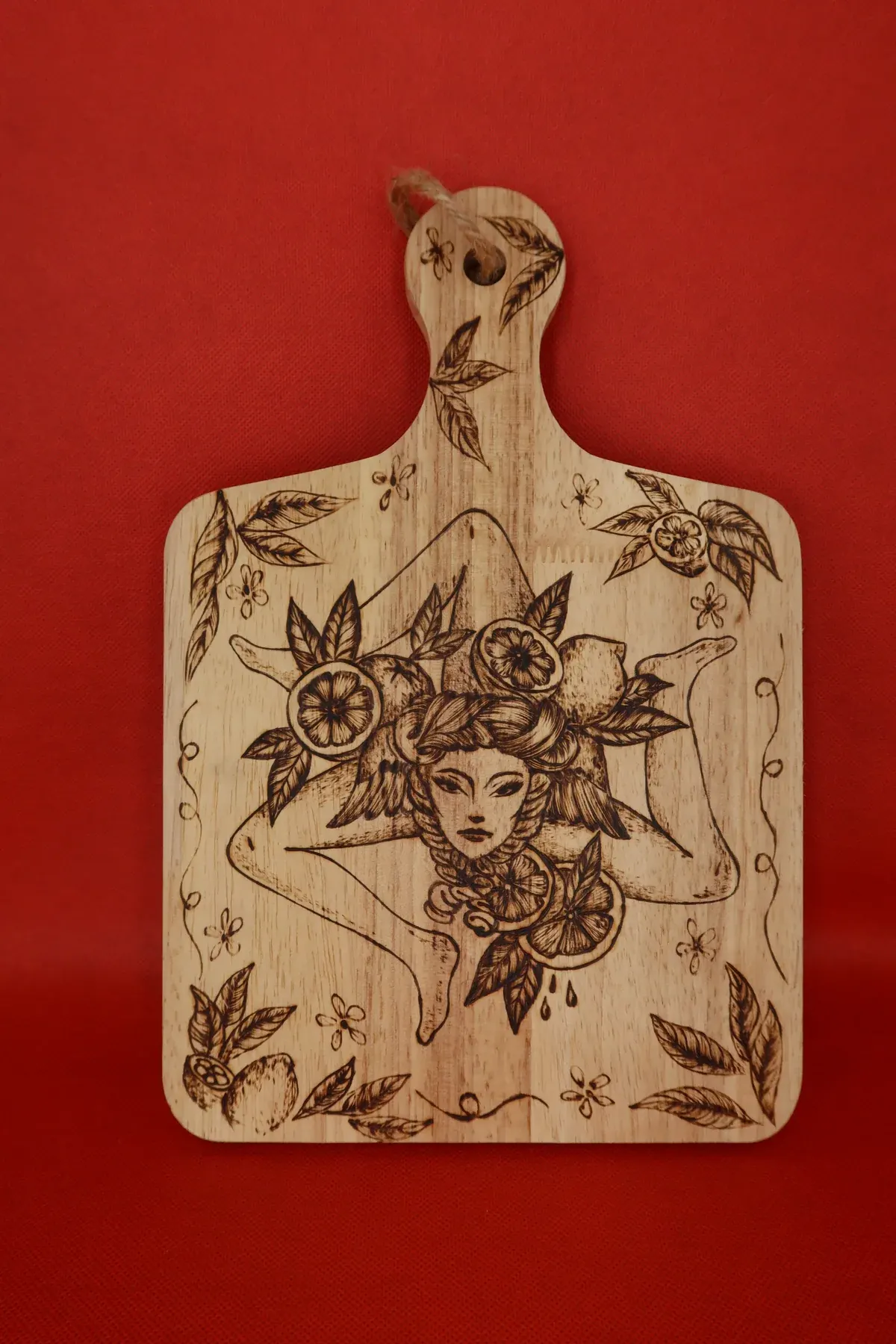
Trinacria Wood Cutting Board
Red Sauce Studio
$69.99
-
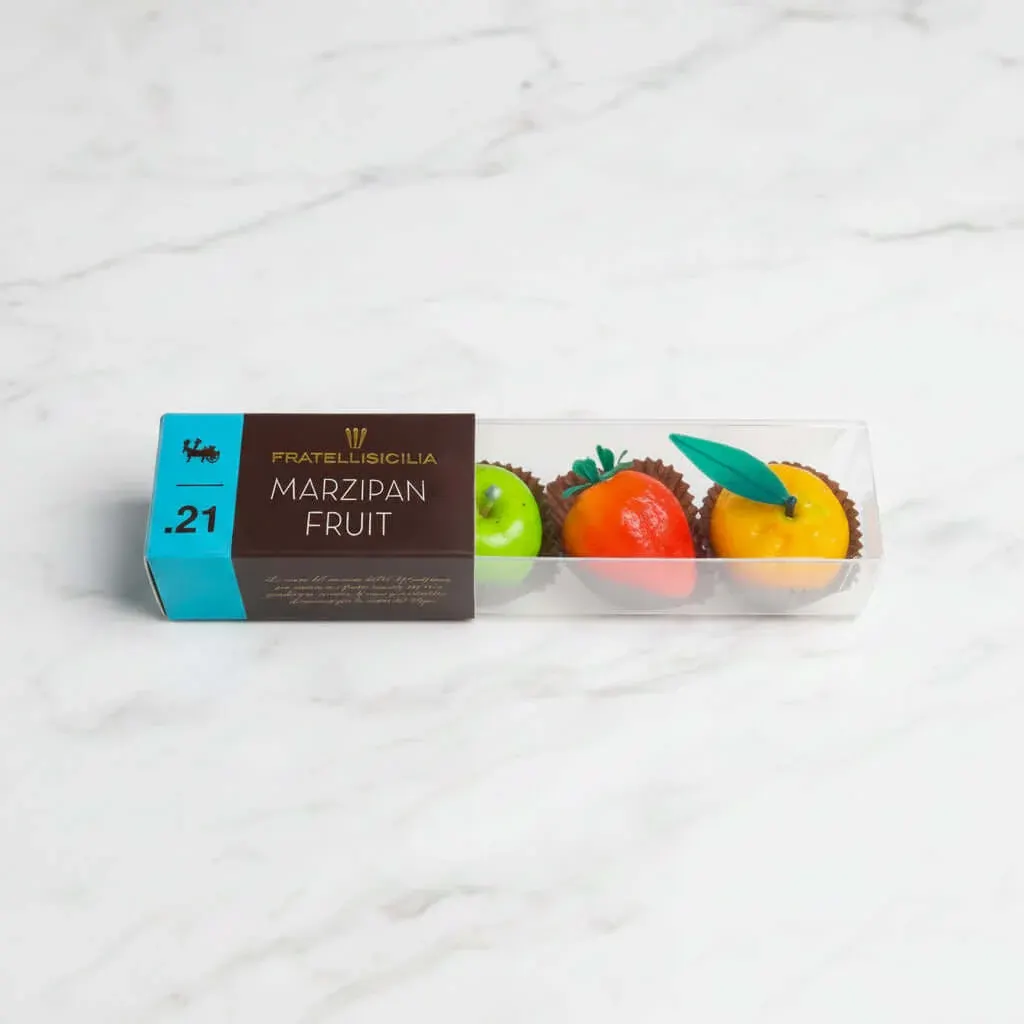
Frutta Martorana Sicilian Marzipan Fruits
Di Bruno Bros.
$15.99
Made in Italy -
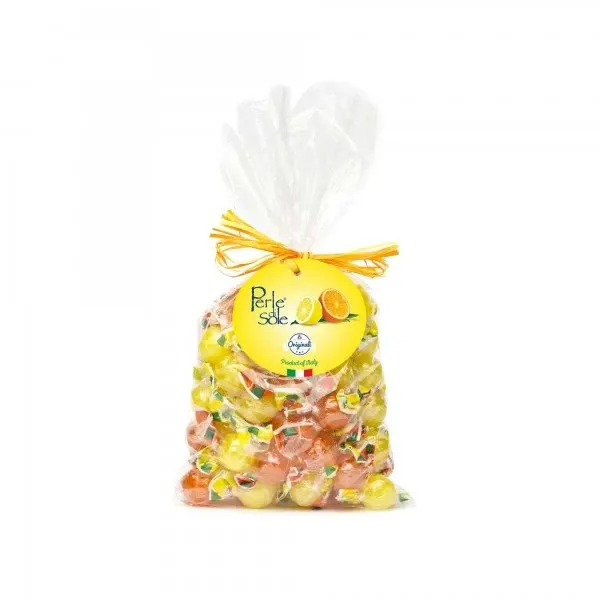
Perle di Sole Assorted Lemon and Orange Drops
Amalfi Market
$20.50