In short: Merry Christmas in Italian is Buon Natale (bwohn nah-TAH-leh). Happy New Year is Felice Anno Nuovo, or simply Buon Anno, and Buone Feste means Happy Holidays. For a card, Tanti auguri di Buon Natale, many wishes for a Merry Christmas, is the classic line.
A few words of Italian in a Christmas card go a long way, especially for a grandparent who grew up speaking it. You do not need to be fluent. The standard phrases are short, and Italians use them every year.
Below are the key phrases with a simple pronunciation guide, then ready-to-copy messages with English translations. Capital letters in the guide show where the stress falls.
How do you say Merry Christmas in Italian?
Buon Natale (bwohn nah-TAH-leh) means Merry Christmas. Word for word it is good Christmas. Natale comes from the Latin for birth, the same root as the English word natal.
Auguri (ow-GOO-ree) means wishes, and Italians say it on almost any happy occasion. On its own it works as a warm, all-purpose holiday greeting. Tanti auguri (TAHN-tee ow-GOO-ree) means many wishes.
- Buon Natale (bwohn nah-TAH-leh): Merry Christmas
- Tanti auguri di Buon Natale (TAHN-tee ow-GOO-ree dee bwohn nah-TAH-leh): Many wishes for a Merry Christmas
- Buone Feste (BWOH-neh FEH-steh): Happy Holidays
- Auguri (ow-GOO-ree): Warm wishes
- Sereno Natale (seh-REH-noh nah-TAH-leh): A peaceful Christmas
How do you say Happy New Year in Italian?
Felice Anno Nuovo (feh-LEE-cheh AHN-noh NWOH-voh) is Happy New Year. In conversation, most people simply say Buon Anno (bwohn AHN-noh). Keep the double n in anno: spelled with a single n, the word means something else entirely.
To cover the whole season in one line, write Buon Natale e Felice Anno Nuovo. Buone Feste also works, since it covers everything from Christmas through the Epiphany.
- Felice Anno Nuovo (feh-LEE-cheh AHN-noh NWOH-voh): Happy New Year
- Buon Anno (bwohn AHN-noh): Happy New Year, the everyday version
- Buon Natale e Felice Anno Nuovo: Merry Christmas and Happy New Year
What should I write in a Christmas card to Nonna?
Write to Nonna and Nonno the way a grandchild speaks, in the familiar form. Cara means dear for a woman, caro for a man, and cari for more than one person. Ti voglio bene (tee VOHL-yoh BEH-neh) is how family says I love you.
Un abbraccio (oon ahb-BRAH-choh), a hug, is a warm way to sign off.
- Cara Nonna, Buon Natale. Ti voglio tanto bene. (Dear Nonna, Merry Christmas. I love you so much.)
- Cari Nonni, tanti auguri di Buon Natale e Felice Anno Nuovo. Un abbraccio forte. (Dear Grandparents, many wishes for a Merry Christmas and a Happy New Year. A big hug.)
- Cara Nonna, grazie per tutto quello che fai per noi. Buone Feste, con affetto. (Dear Nonna, thank you for everything you do for us. Happy Holidays, with affection.)
-
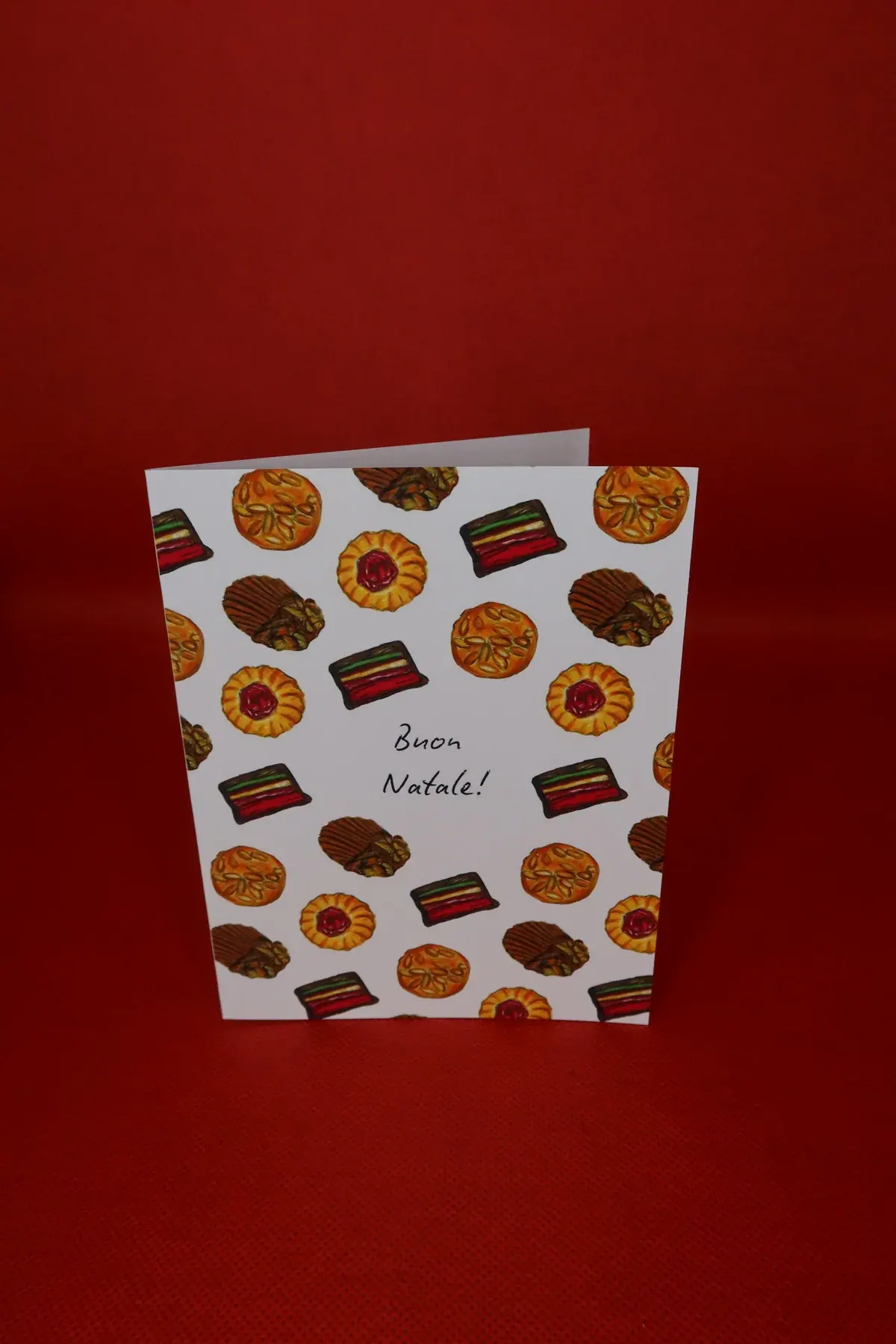
Buon Natale Christmas Card
Red Sauce Studio
$5.99
-
Rossana Filled Candies
Amalfi Market
$28.99
-
Libretto di Natale, Bilingual Board Book
Italian Children's Market
$11.99
What can I write to my parents or friends?
For parents, use cari (dear, plural) and vi, the plural you. With friends, Buone Feste and auguri keep it light. Con affetto (kohn ahf-FEHT-toh), with affection, is a safe sign-off for anyone you are close to.
For a friend, write caro amico to a man and cara amica to a woman.
- Cari mamma e papà, Buon Natale. Grazie per tutto. Vi voglio bene. (Dear Mom and Dad, Merry Christmas. Thank you for everything. I love you.)
- Cara mamma, ti auguro un sereno Natale. Con affetto. (Dear Mom, I wish you a peaceful Christmas. With affection.)
- Cara amica, tanti auguri di Buone Feste. (Dear friend, warm wishes for the holidays.)
- Vi auguro un Natale pieno di gioia e un felice Anno Nuovo. (I wish you all a Christmas full of joy and a happy New Year.)
What should I write to thank a holiday host?
A note to a host can be short and gracious. Grazie (GRAHT-see-eh) is thank you, and grazie di cuore (dee KWOH-reh) means thank you from the heart. Leave the card with your gift, or send it the next day.
- Grazie per l'ospitalità e per la bellissima serata. Buone Feste. (Thank you for your hospitality and for a beautiful evening. Happy Holidays.)
- Grazie di cuore per la cena. Tanti auguri di Buon Natale. (Thank you from the heart for dinner. Many wishes for a Merry Christmas.)
- Grazie a tutta la famiglia, e auguri di Buone Feste. (Thanks to the whole family, and warm wishes for the holidays.)
-
 Video
Carta Italiana Buon Natale Notecards, Set of 10
VIETRI
$44
-
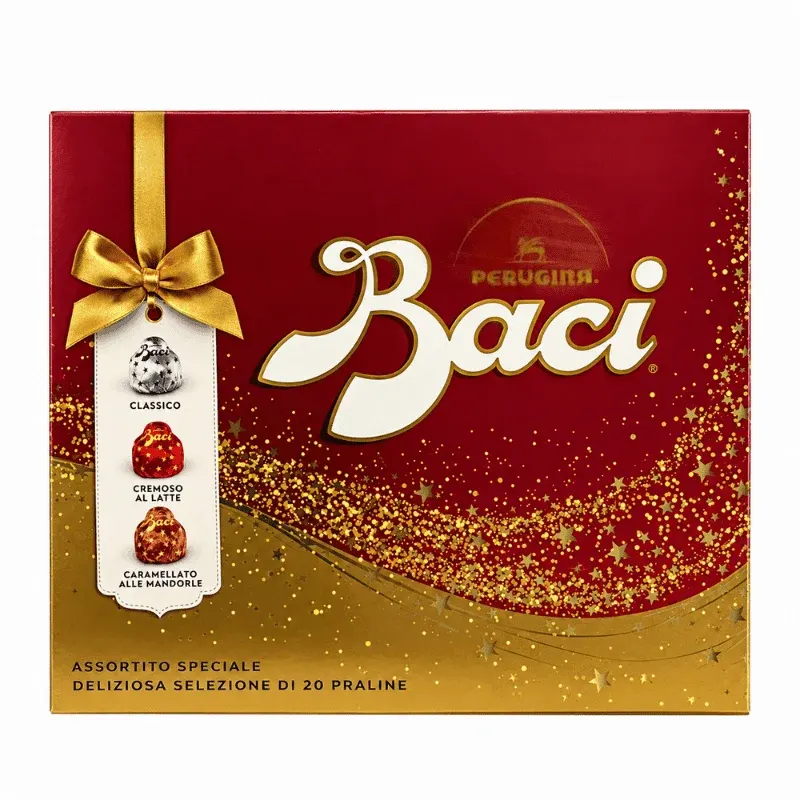
Baci Perugina Assorted Chocolates Gift Box, 20 Pieces
Supermarket Italy
$29.99
Made in Italy -
 Video
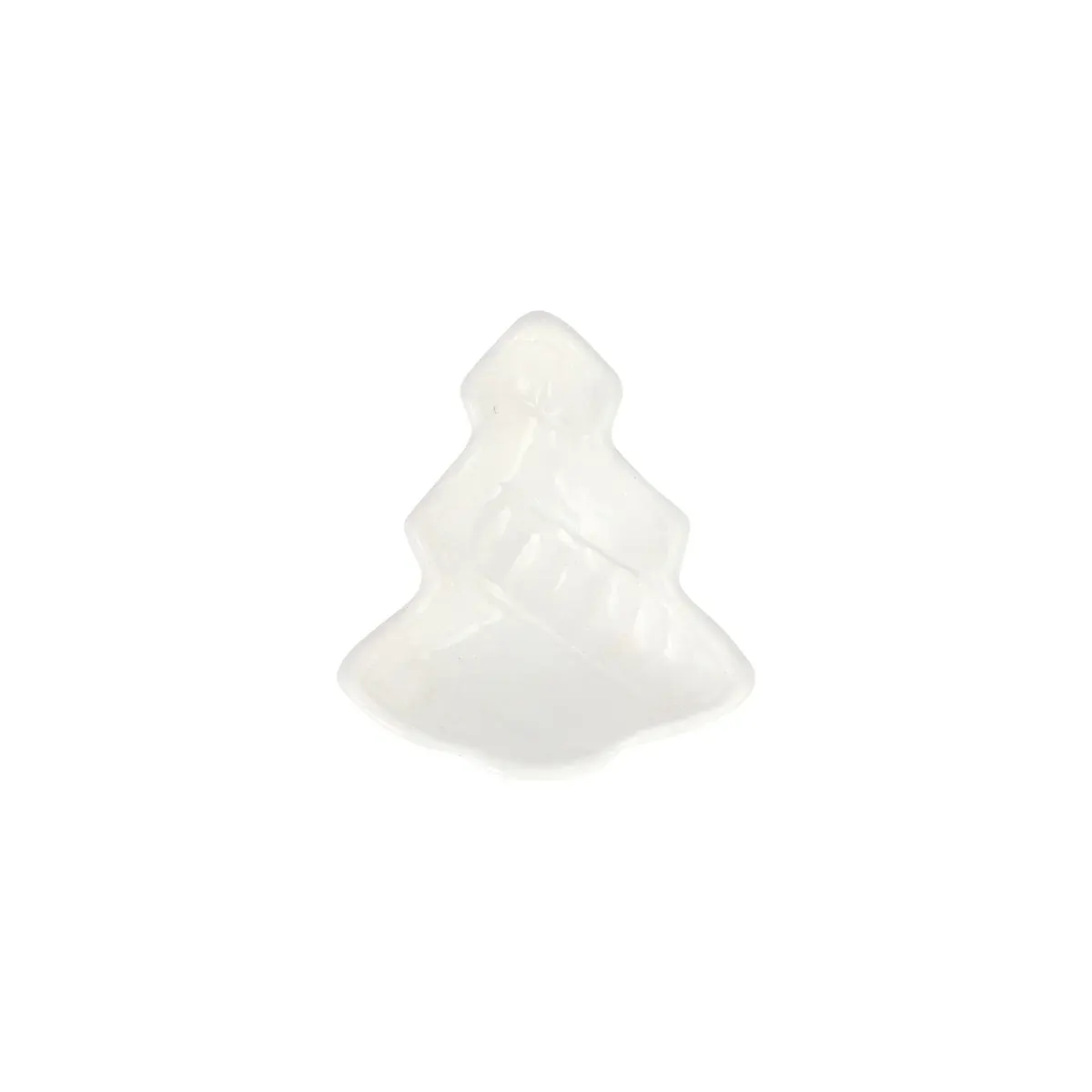
VIETRI Pietra Natale Tree Candy Dish
VIETRI
$68
Which cards and small gifts go with an Italian message?
A message in Italian reads well on a card that says Buon Natale on the front. Pair it with something small the family will recognize: a sweet from home, an ornament for the tree, or a sweatshirt for a grandchild to wear to Christmas Eve dinner.
For more ideas, browse our Italian Christmas gifts and Italian stocking stuffers, or see Italian-American Christmas traditions for the customs behind them.
-
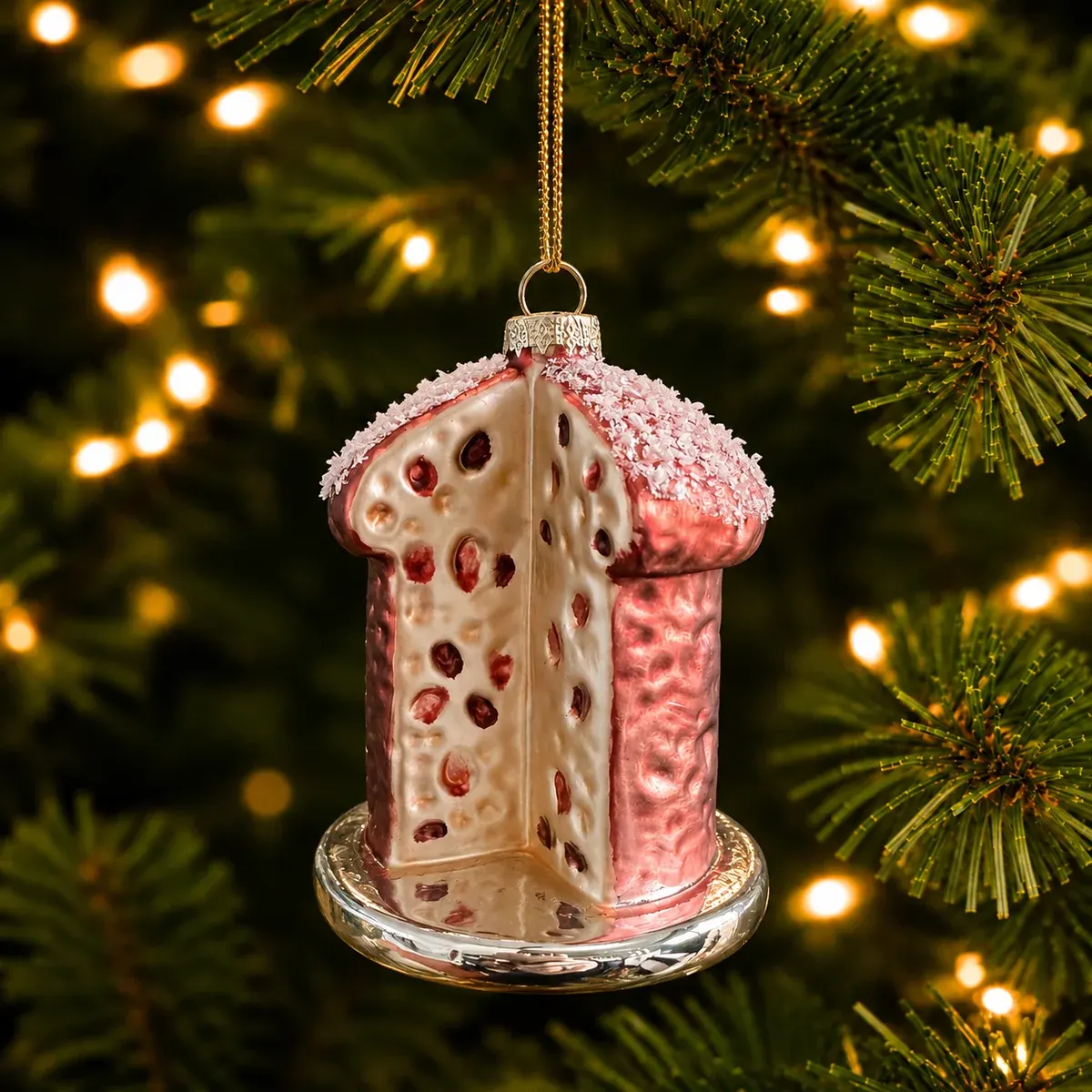
Panettone Christmas Ornament
Hardcore Italians
$20
-
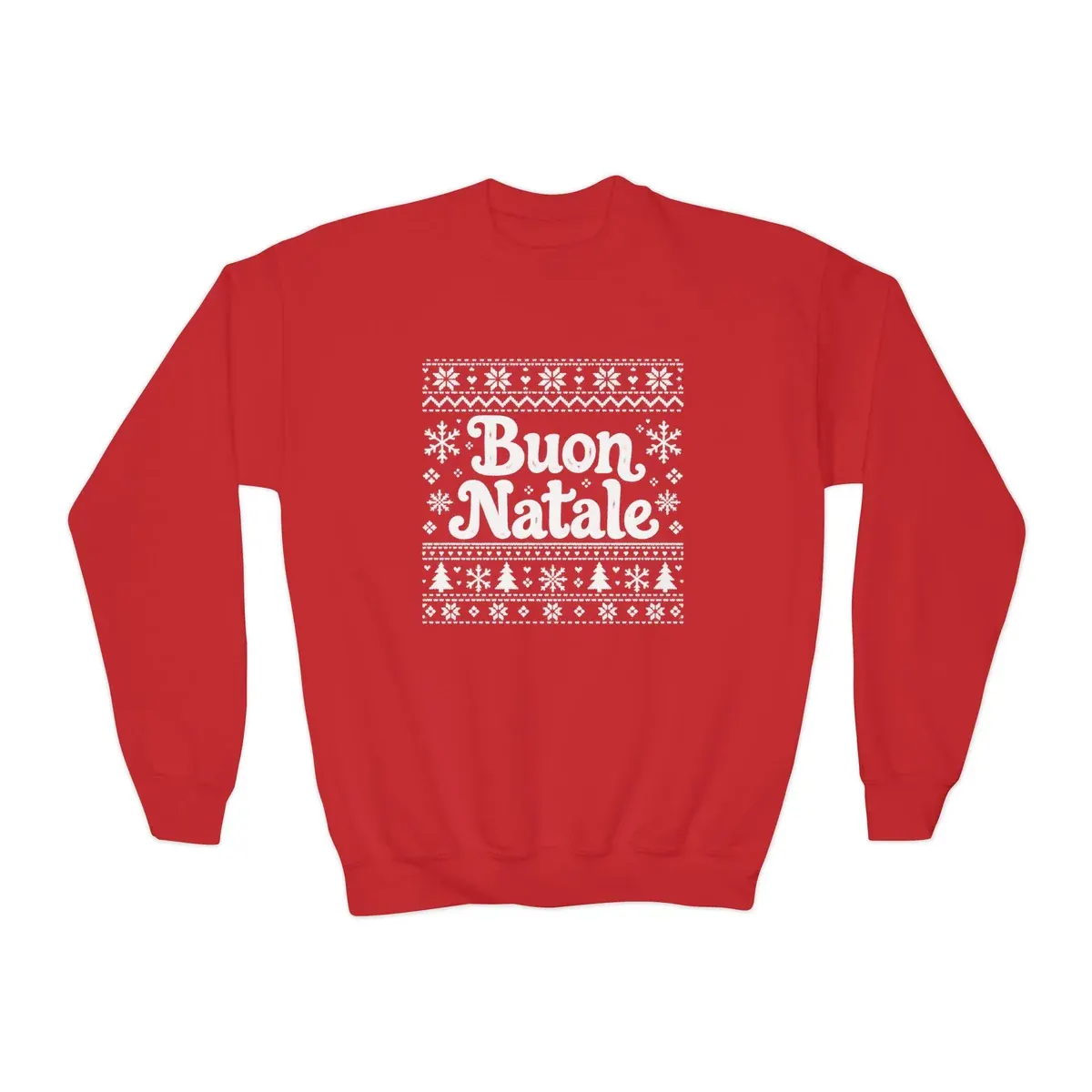
Buon Natale Kids' Christmas Sweatshirt
Italian Children's Market
$36
-
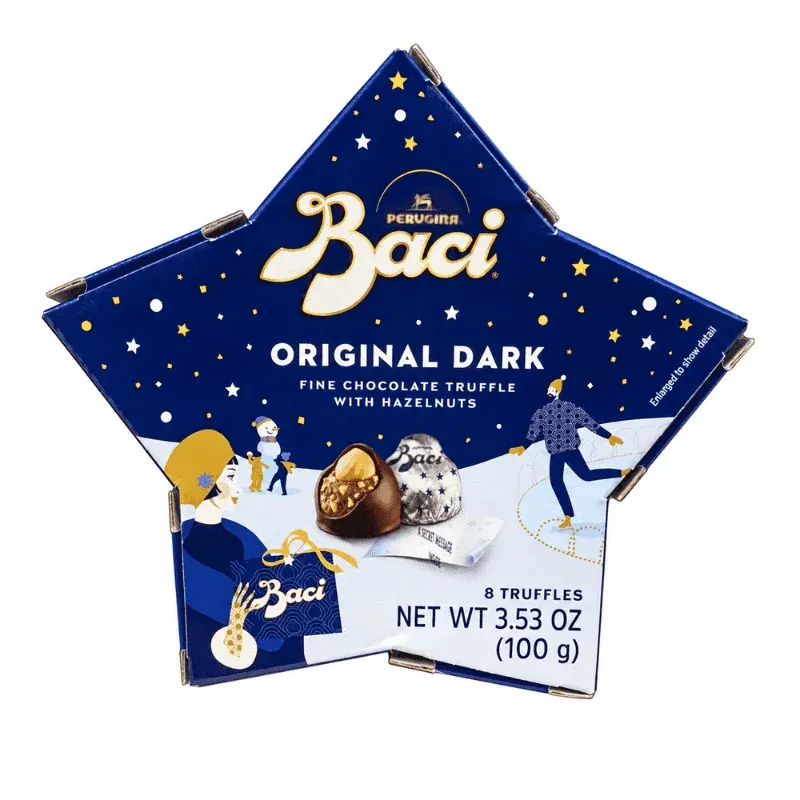
Baci Perugina Dark Chocolate Christmas Star
Supermarket Italy
$12.99
Made in Italy -
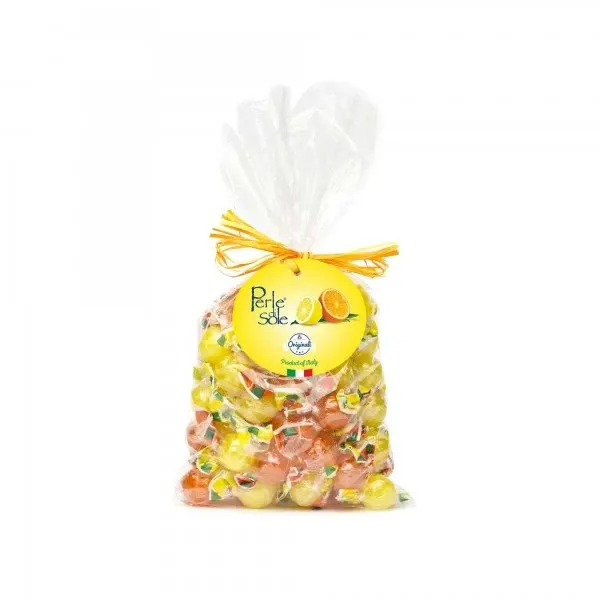
Perle di Sole Assorted Lemon and Orange Drops
Amalfi Market
$20.50