In short: An Italian-American Christmas runs from early December to the Epiphany on January 6. It usually includes a presepe (nativity scene), a Christmas Eve fish dinner, panettone or pandoro, cookie trays, games of tombola and, in many families, a visit from La Befana.
In many Italian-American families, Christmas is a season more than a day. It starts in early December with the nativity scene and the first batch of cookies, peaks on Christmas Eve, and winds down with La Befana on the night of January 5.
Every family keeps its own mix, shaped by the region the grandparents came from. Below are the traditions you will meet most often, each with a few gifts that suit it.
What is a presepe, and when does it go up?
The presepe is the Italian nativity scene. It can be three figures on a side table or a whole village of shepherds, market stalls and animals that grows a little every year. Naples in particular is known for its elaborate presepi.
In Italy, many families set up the presepe and the tree around December 8, the Feast of the Immaculate Conception. By custom, the figure of Baby Jesus is often added only on Christmas Eve or Christmas morning.
Many Italian-American homes keep the tree and the presepe side by side, with a few ornaments that nod to the family's roots.
-
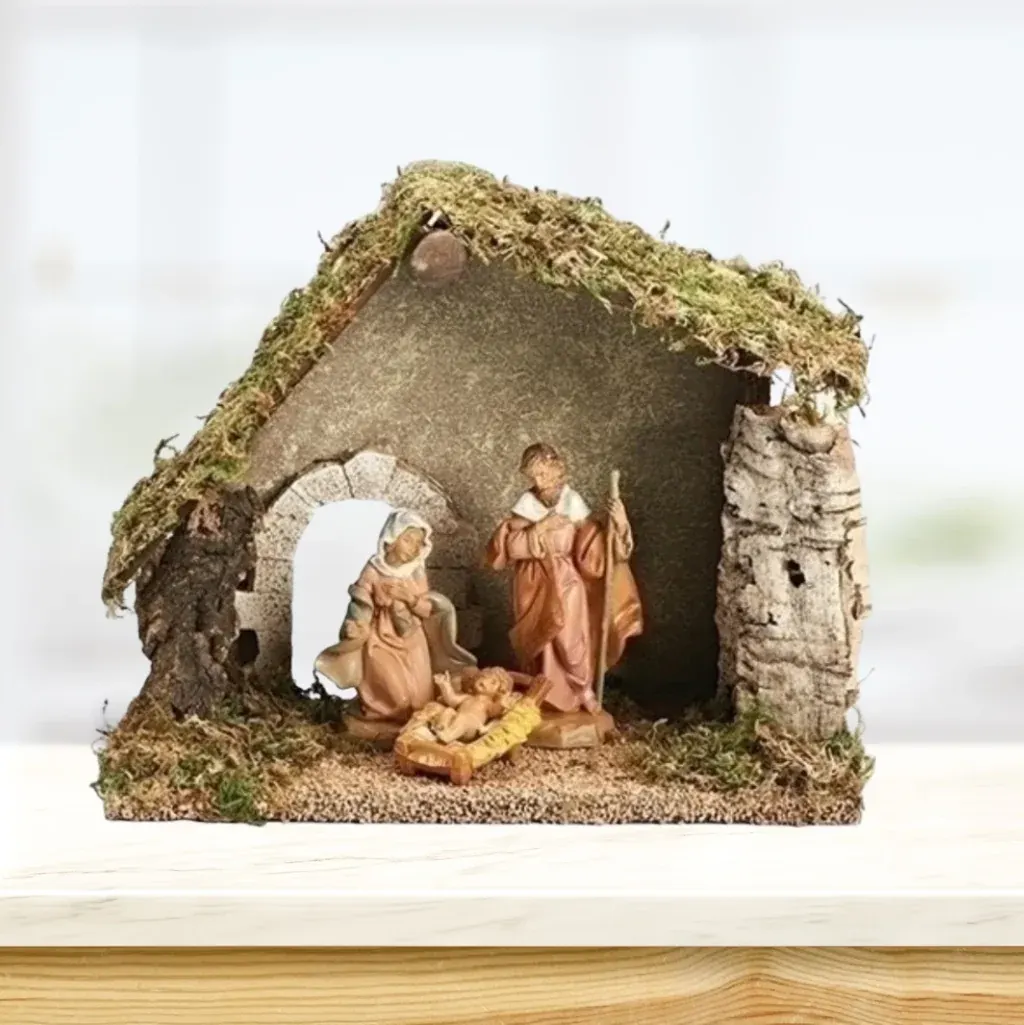
Fontanini Three-Piece Nativity Set
Italian Children's Market
$165
Made in Italy -
 Video
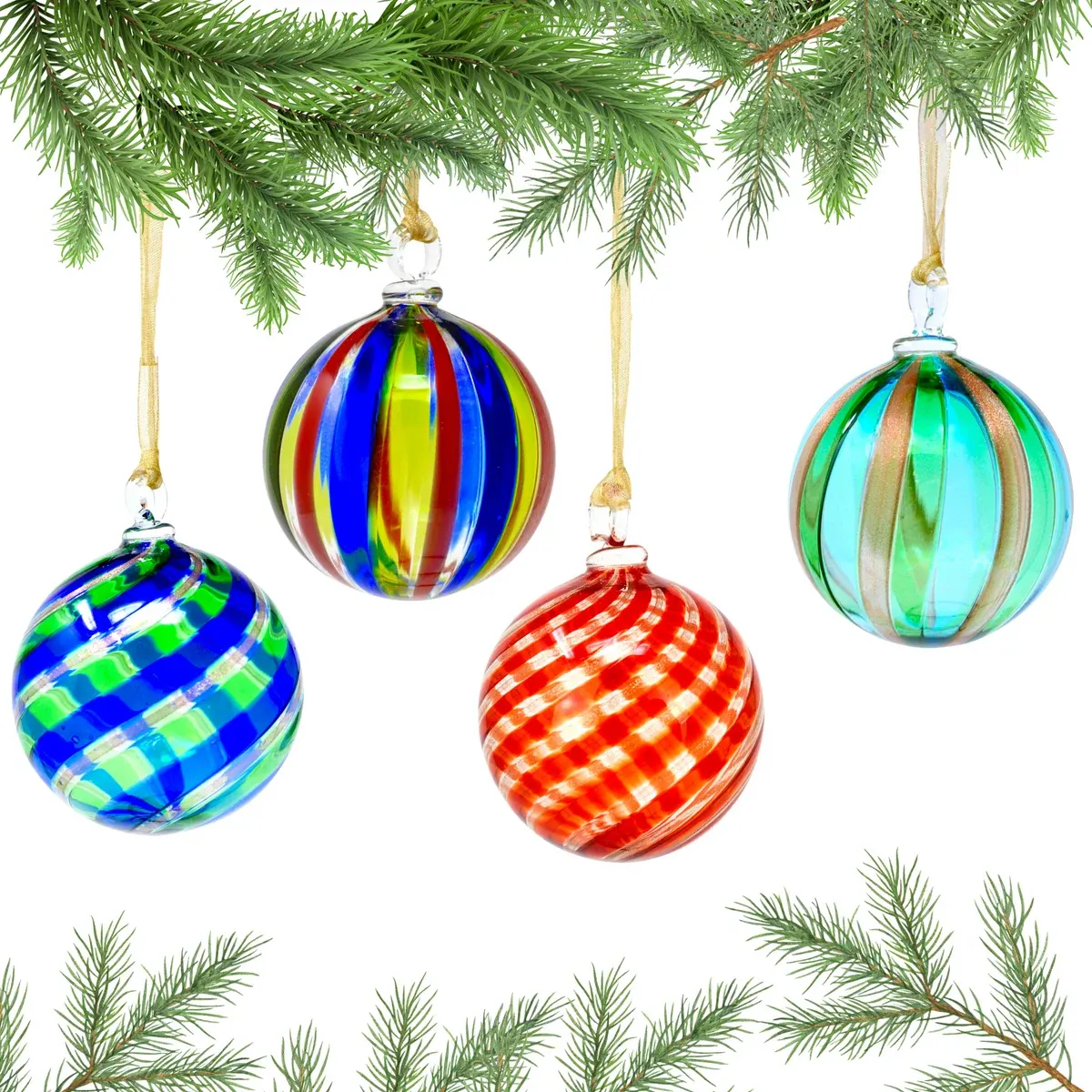
Murano Glass Filigrana Ornament
My Italian Decor
$52
Made in Italy -
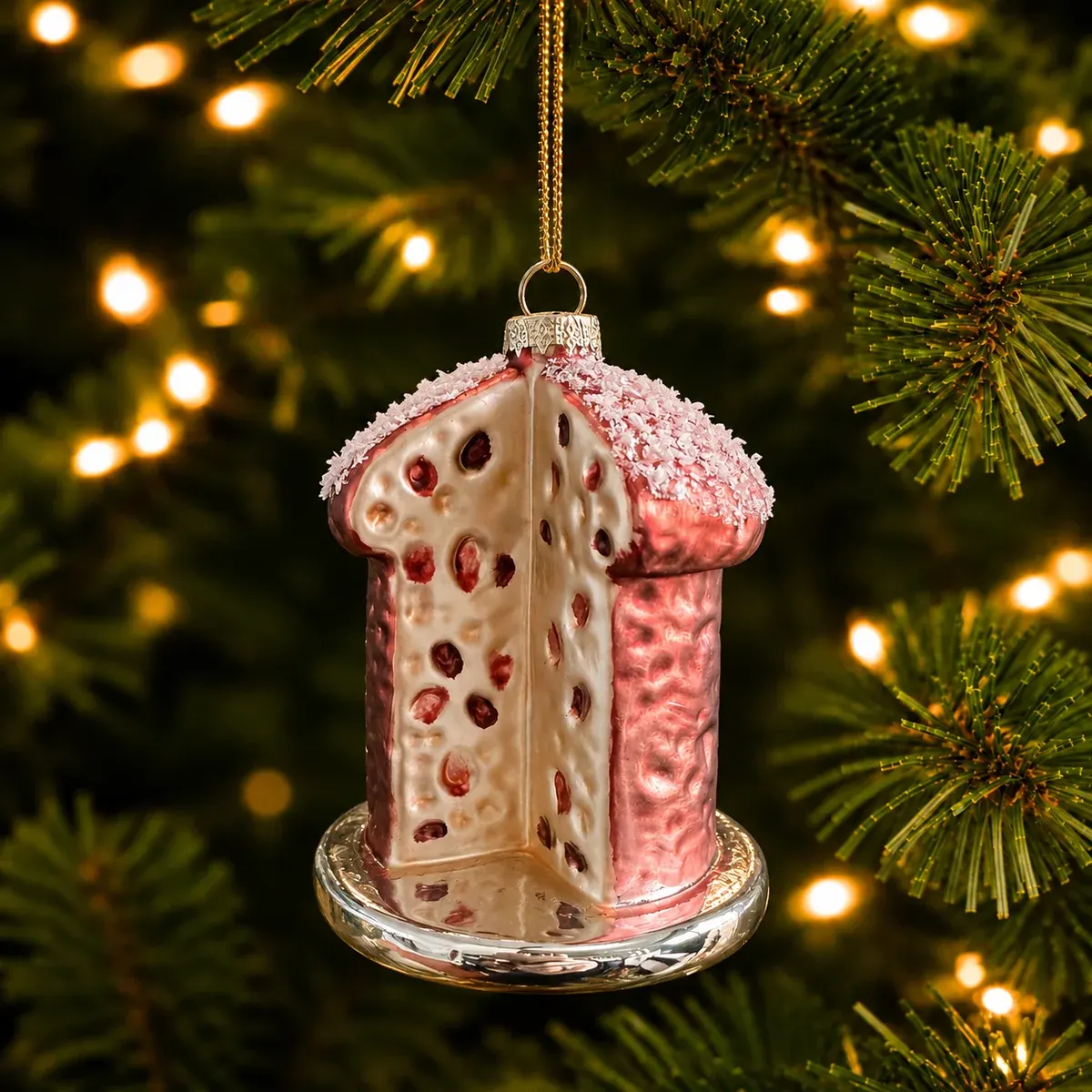
Panettone Christmas Ornament
Hardcore Italians
$20
What happens on Christmas Eve?
Christmas Eve, La Vigilia, is the big night. In the southern Italian tradition it is a meatless meal, and in the United States it became the Feast of the Seven Fishes: fried calamari, baccalà, clams, shrimp and more, served course after course. Many families go to midnight Mass afterward.
Christmas Day then brings the meat, the baked pasta and another long table. If you are a guest on Christmas Eve, our guide to Seven Fishes host gifts covers what to bring.
Panettone or pandoro: which is traditional?
Both. Panettone is the tall, domed sweet bread linked to Milan, made with candied orange and raisins. Pandoro, traditionally from Verona, is a golden, star-shaped cake with no fruit, often dusted with powdered sugar before serving. Plenty of households keep one of each.
Either one is a classic gift between families and friends, carried from house to house all season and sliced with coffee. For help choosing, see panettone vs. pandoro.
-
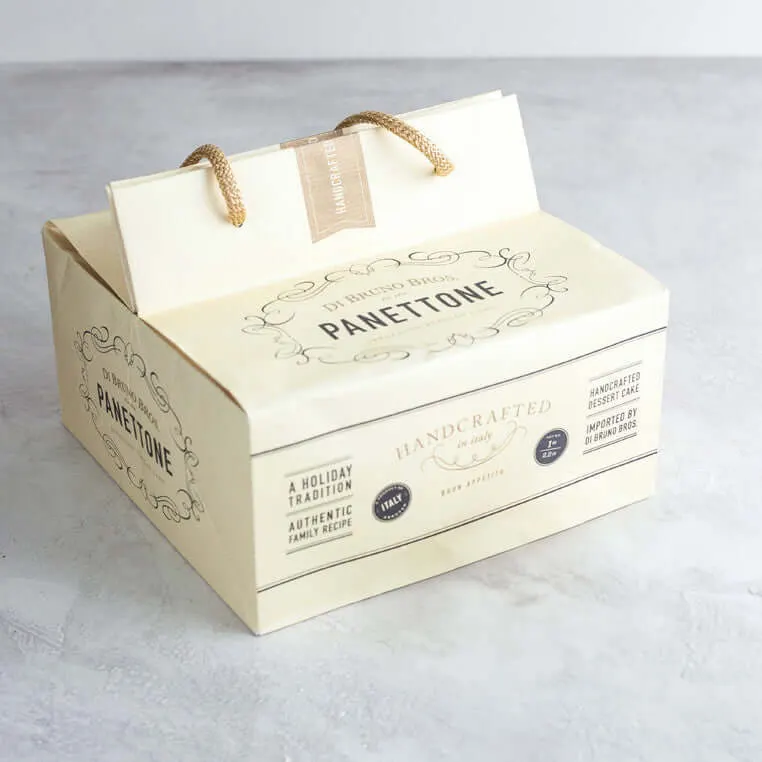
Di Bruno Bros. Classic Panettone
Di Bruno Bros.
$32.99
Made in Italy -
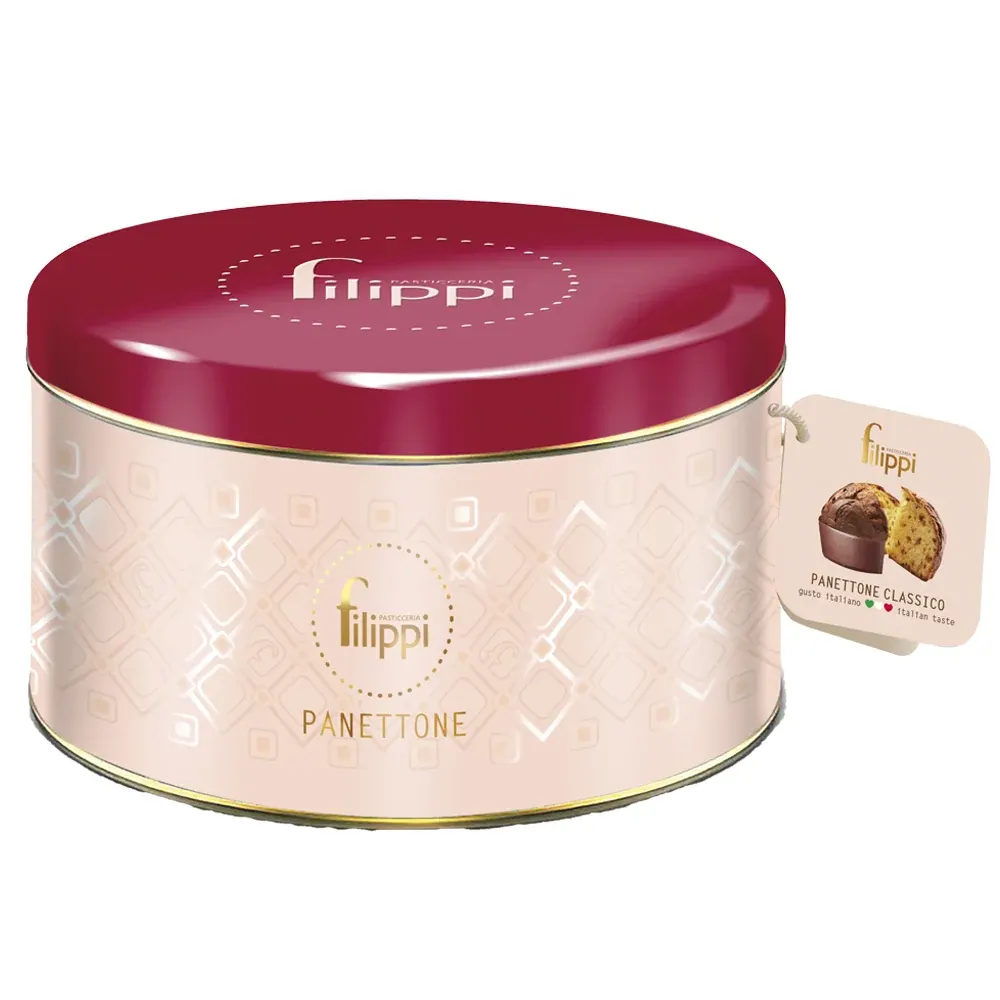
Pasticceria Filippi Classic Panettone in a Tin
Market Hall Foods
$72.95
-
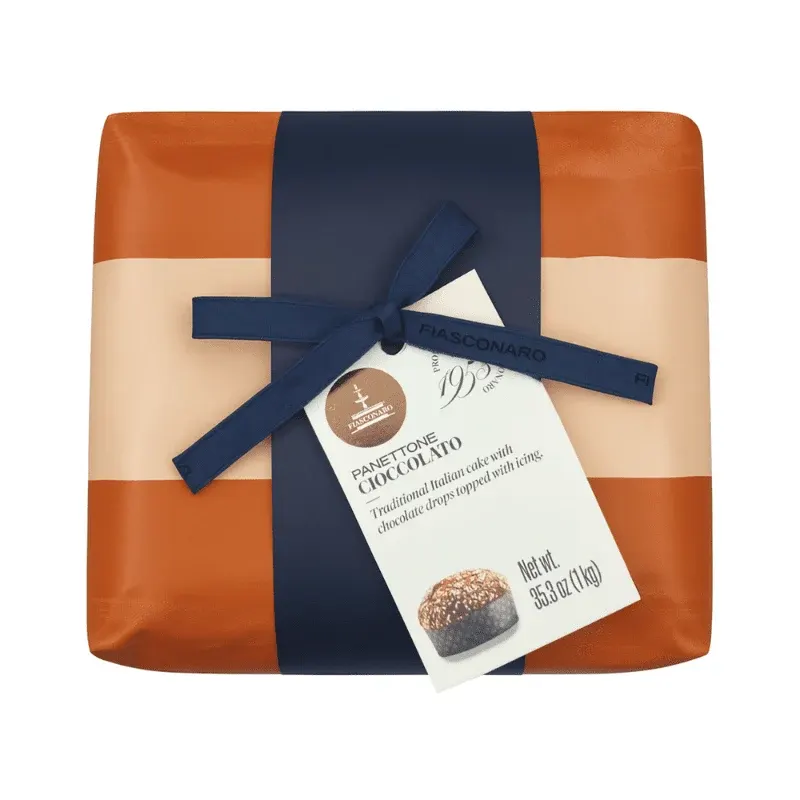
Fiasconaro Cioccolato Chocolate Panettone, 2.2 lb
Supermarket Italy
$39.99
$42.997% off -
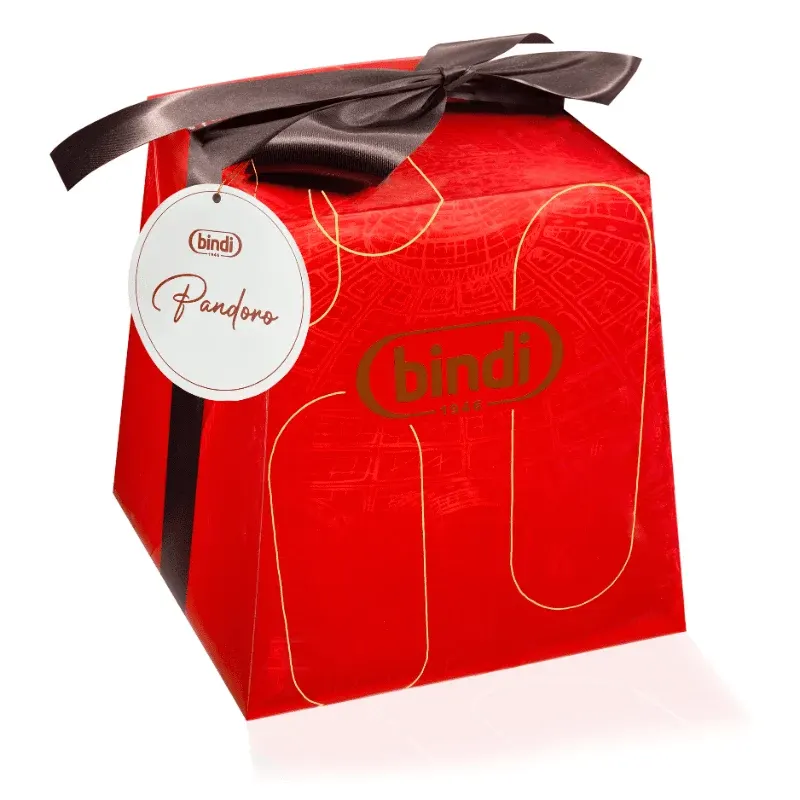
Bindi Classic Pandoro, 2.2 lb
Supermarket Italy
$42.99
What goes on an Italian Christmas cookie tray?
The cookie tray is an Italian-American institution. In the weeks before Christmas, kitchens turn out batch after batch, and the cookies are arranged on platters for guests and neighbors. Every family has its own lineup, but these are common.
A tray is a gift in itself. For the family baker, a new tool or a good cookbook is a way to say thank you for all those trays.
- Pizzelle, thin patterned cookies pressed in a hot iron
- Rainbow cookies, the tricolor almond layers
- Spritz cookies, piped and often dipped in chocolate
- Biscotti, twice-baked and made for dunking
- Sesame cookies, anise cookies and, in many Sicilian families, cuccidati, the fig-filled cookies
-
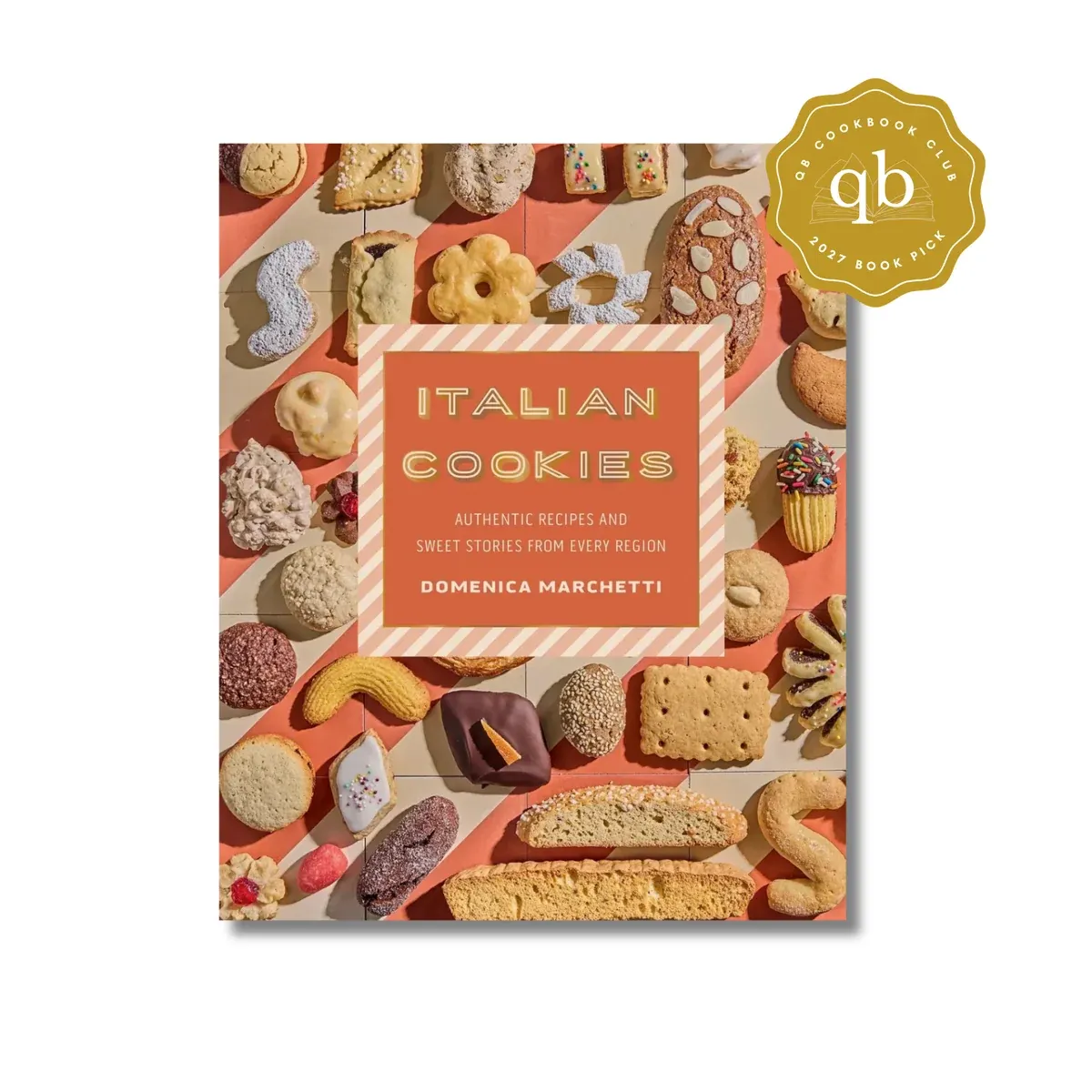
Italian Cookies by Domenica Marchetti
q.b. Cucina
$35
-
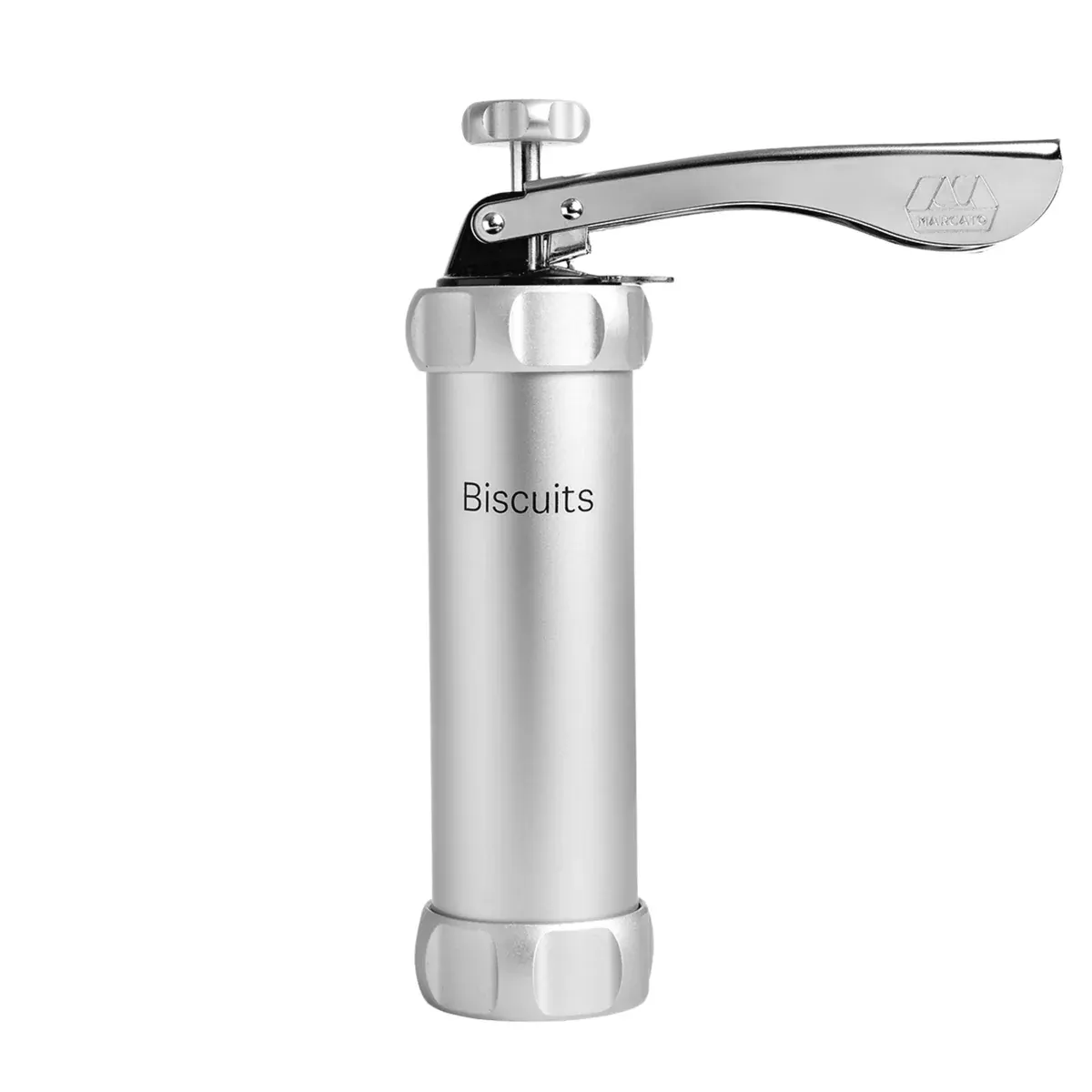
Marcato Biscuit Cookie Press
Marcato
$74.95
Made in Italy -
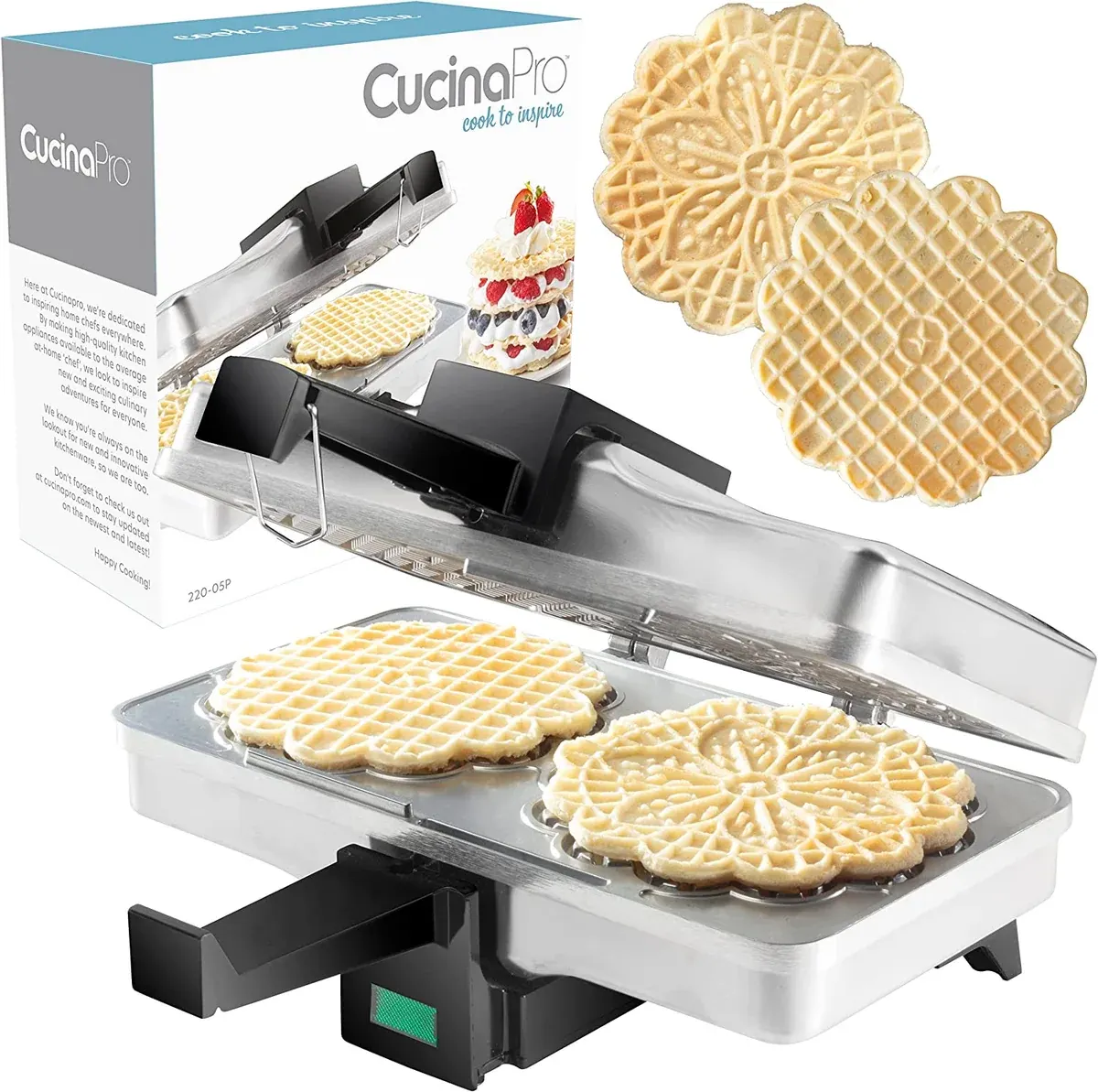
CucinaPro Polished Pizzelle Baker
CucinaPro
$54.99
-
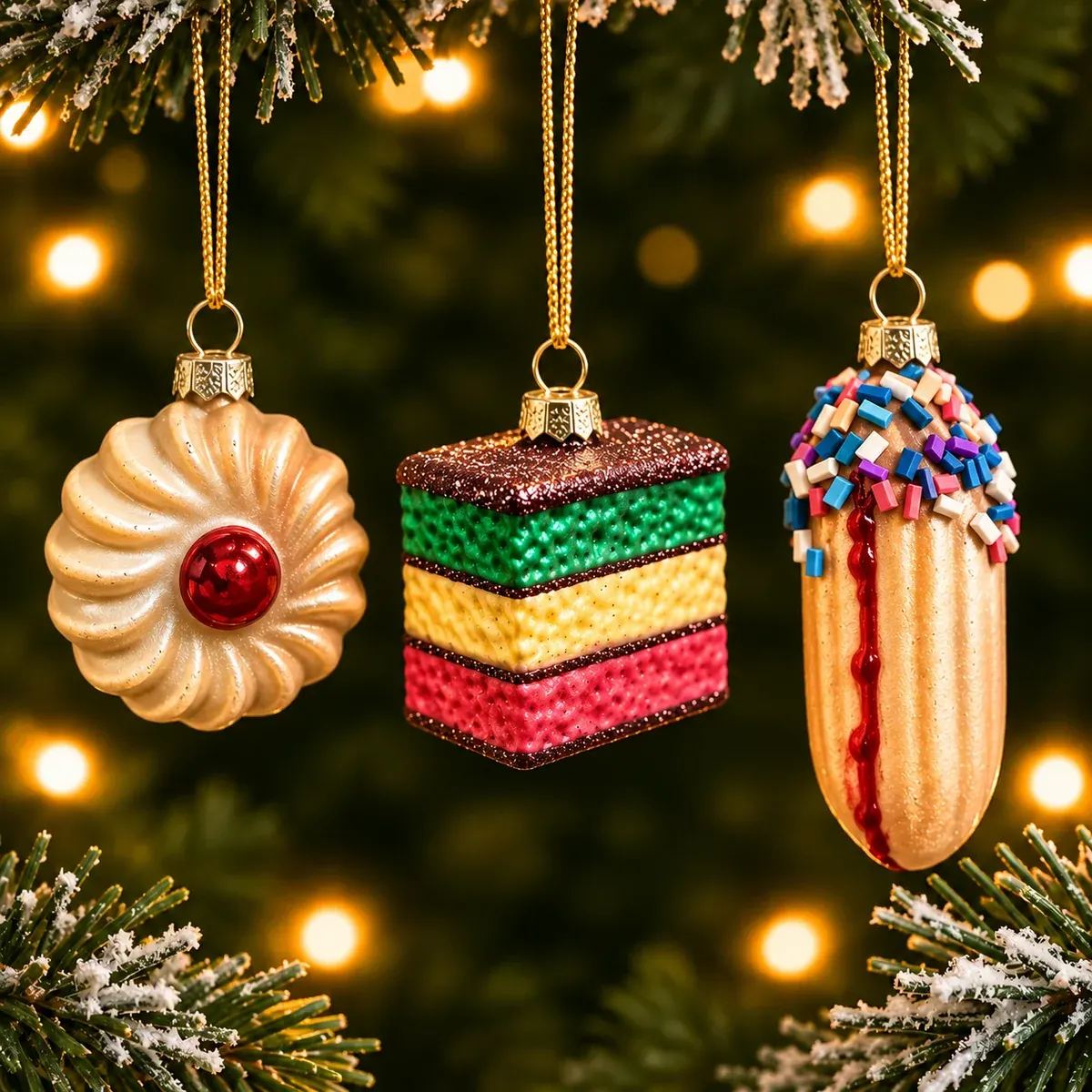
Italian Cookie Ornament Set of 3
Hardcore Italians
$50
How do you play tombola?
Tombola is the Italian holiday bingo, closely tied to Naples and played by families after the big meals of the season. Each player has a card of numbers, and someone draws numbers from 1 to 90 and calls them out.
Small prizes go to the first player with two numbers on one row (ambo), then three (terno), four (quaterna) and five (cinquina). The big prize goes to whoever fills a whole card, the tombola. Stakes are usually coins or candy, and in Neapolitan families the caller may announce each number with its traditional nickname.
All you need is a set of cards, something to mark them with and a bowl of wrapped candies for prizes. It is a game the youngest and oldest at the table can play together.
Who is La Befana?
The season closes on the night of January 5, the eve of the Epiphany. La Befana, a kind old woman on a broom, fills children's stockings with sweets, plus a lump of sugar coal for anyone who misbehaved. January 6 is a public holiday in Italy and the traditional end of Christmas.
Her story, and how to start the custom at home, is in our guide to La Befana gifts and traditions.
-
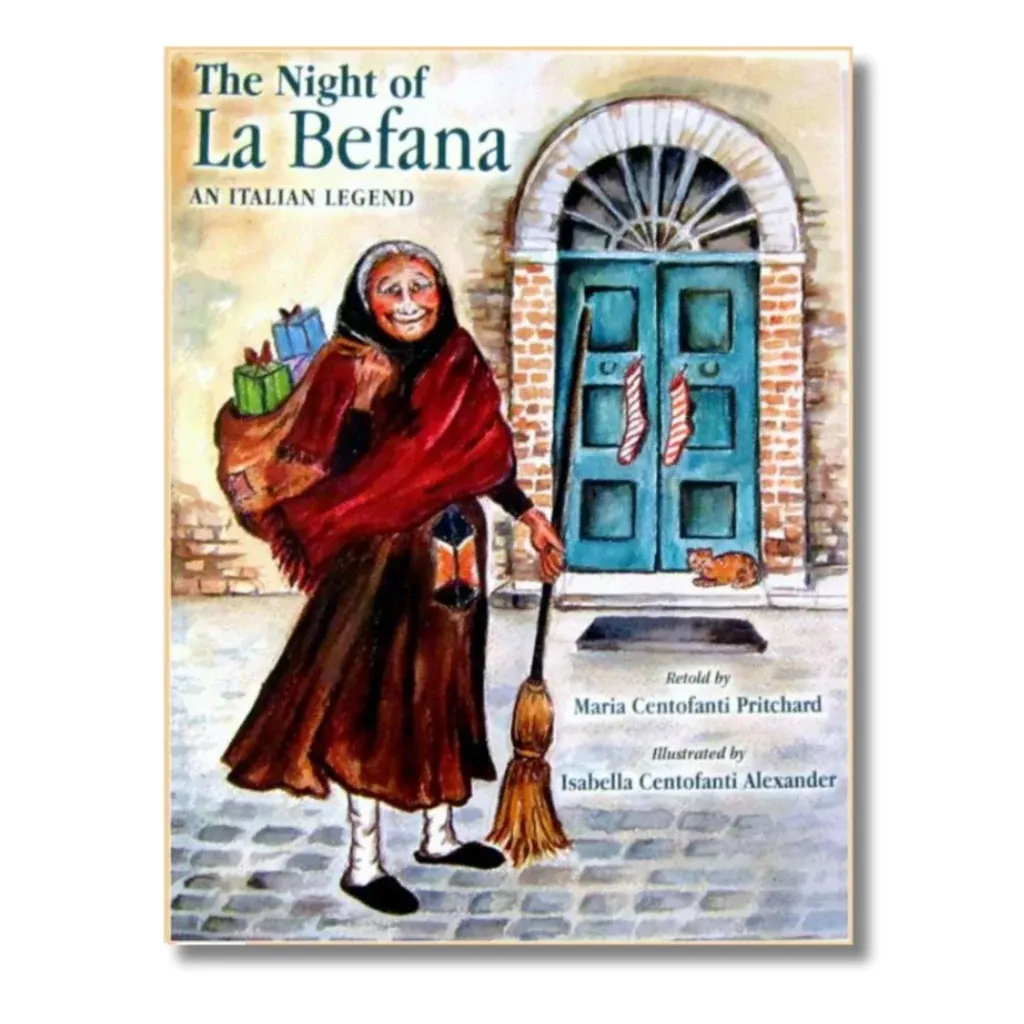
The Night of La Befana
Italian Children's Market
$19.99
-
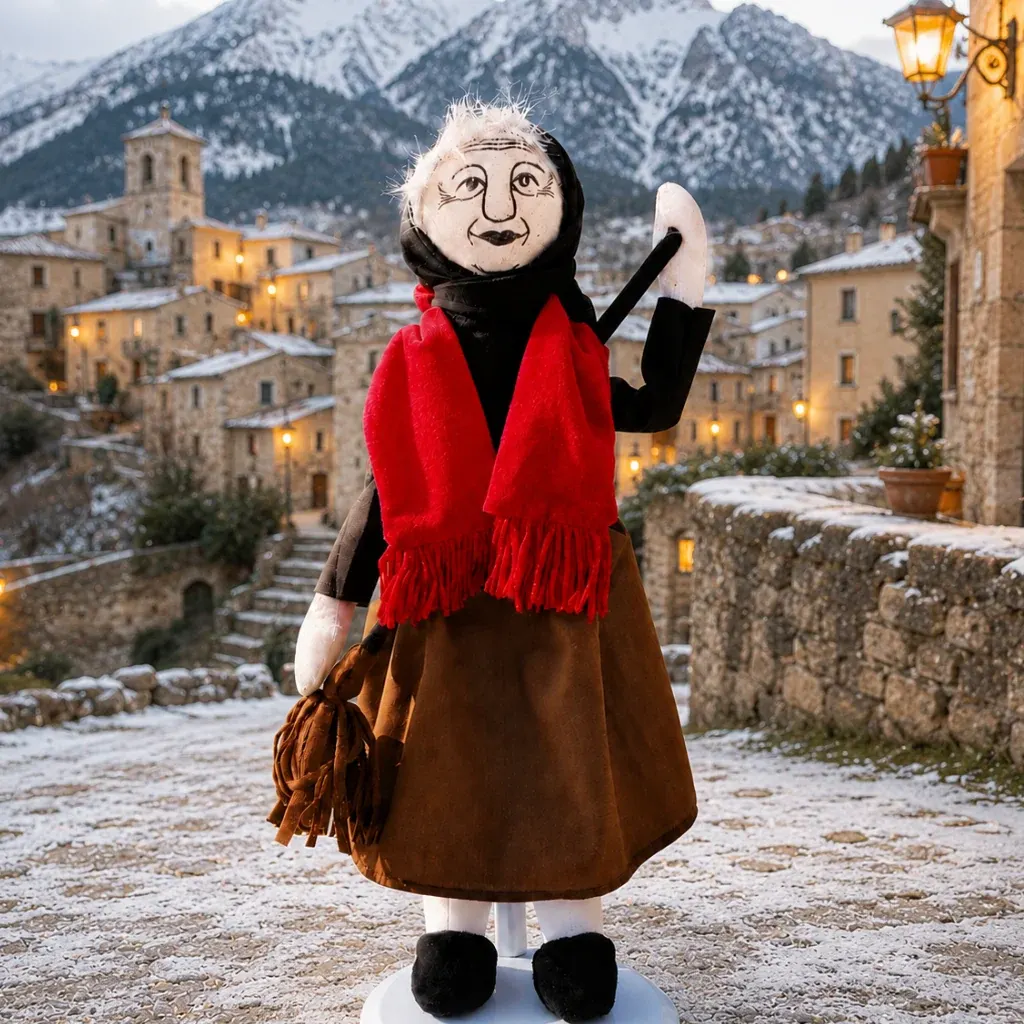
La Befana Rag Doll
Italian Children's Market
$39.99
-
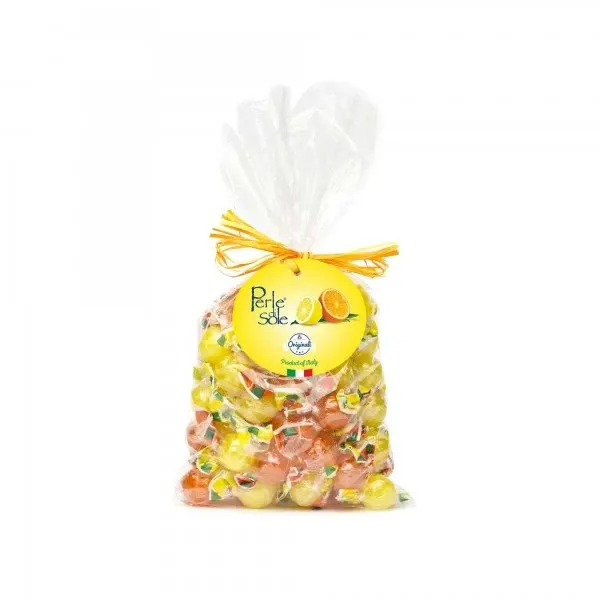
Perle di Sole Assorted Lemon and Orange Drops
Amalfi Market
$20.50