In short: La Befana is the kind old woman of Italian folklore who flies on a broom on the night of January 5, the eve of the Epiphany. She fills children's stockings with sweets and leaves a lump of sugar coal for anyone who misbehaved.
In Italy, Christmas does not end on December 25. The season runs through January 6, the Epiphany, and the last visitor of the holidays is not Santa but La Befana, an old woman with a broom, a patched shawl and a sack of treats.
Many Italian-American families have kept her too, often because a grandparent brought the custom over. Here is who she is, how the night works, and how to give her a place in your own home. For the rest of the season, see our guide to Italian-American Christmas traditions.
Who is La Befana?
La Befana is a figure of Italian folklore, usually pictured as a kindly old woman in worn clothes, riding a broomstick. She is a little sooty from coming down the chimney, and she is good-natured rather than frightening. Her name is generally traced to Epifania, the Italian word for the Epiphany.
The most familiar legend ties her to the Three Wise Men. On their way to Bethlehem, the story goes, the Magi stopped at her house and asked her to come along. She said she had too much housework to do. She later changed her mind and set out after them with gifts, but never found the child, so she stops at every house with children and leaves something behind.
Details change from region to region and from family to family. That is part of the charm, so tell the version you grew up with.
When does La Befana come?
She comes on the night of January 5, the eve of the Epiphany. Children hang a stocking, or in some homes set out a shoe, before bed and find it filled on the morning of January 6.
The Epiphany is a public holiday in Italy, and it marks the end of the Christmas season. An old Italian saying puts it plainly: L'Epifania tutte le feste porta via, the Epiphany carries all the holidays away. In many homes it is the day the decorations start coming down.
Many families leave something out for her in return, often a small glass of wine and a bite to eat. In some versions of the story, she sweeps the floor before she goes.
What does La Befana leave in the stocking?
Good children wake up to sweets: candies, chocolates, nougat, dried fruit or nuts, depending on the family and the region. A child who has been naughty, by tradition, gets carbone, coal. Today that coal is almost always carbone dolce, a sugar candy made to look like a black lump, and children tend to find it funny rather than upsetting.
Most stockings get a bit of both, since nobody is good all year. When you fill one, think small and Italian.
- Wrapped hard candies or filled candies
- A small piece of torrone, the Italian honey and nut nougat
- A few chocolates
- Dried fruit or nuts, the old-fashioned choice
- A lump of sugar coal, for the joke
-
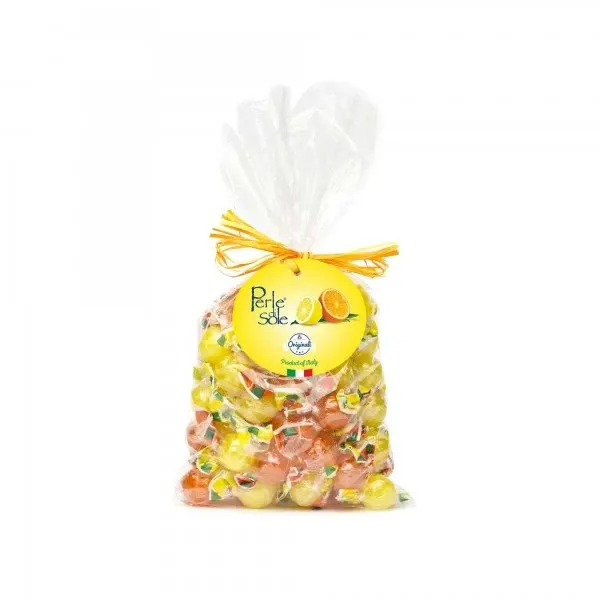
Perle di Sole Assorted Lemon and Orange Drops
Amalfi Market
$20.50
-
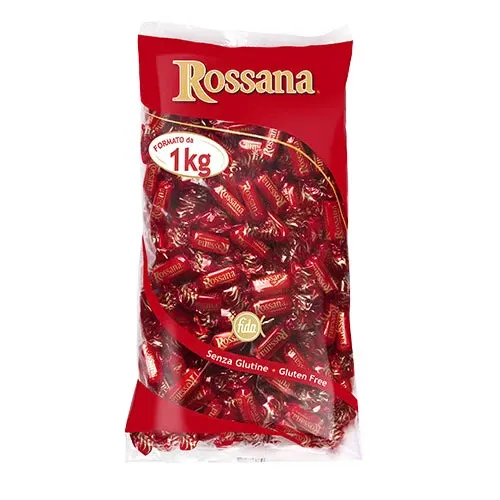
Rossana Filled Candies
Amalfi Market
$28.99
-
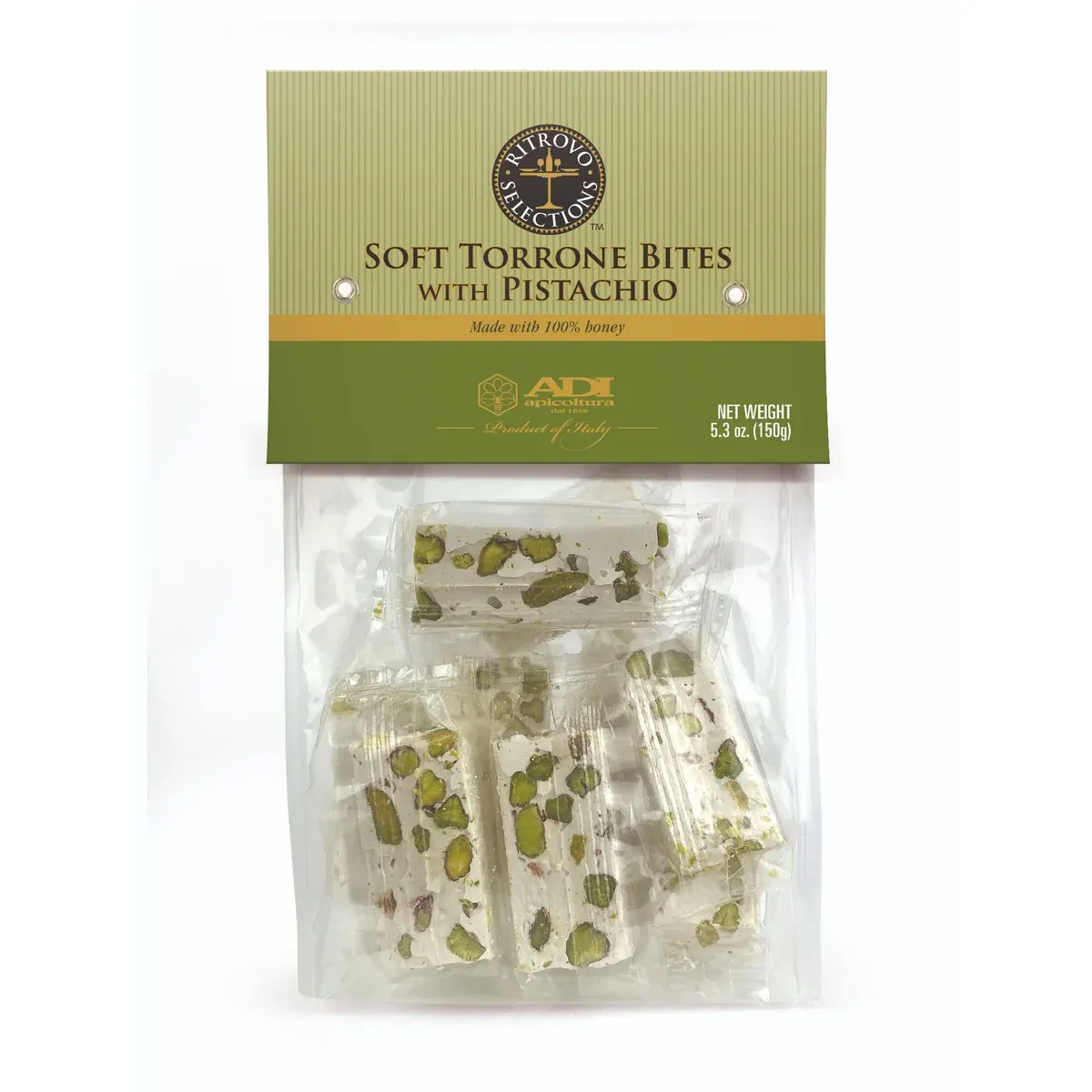
ADI Apicoltura Mini Torrone with Pistachios
Ritrovo Italian Regional Foods
$18
-
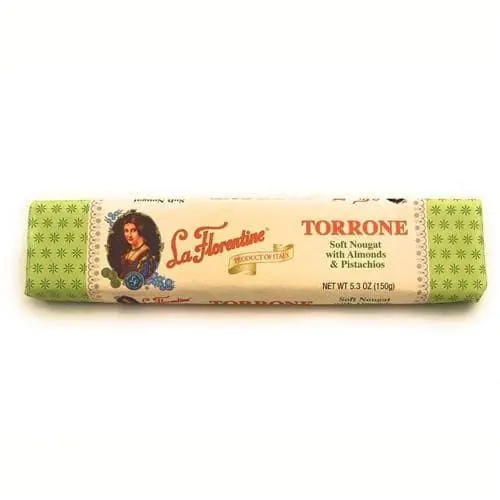
La Florentine Soft Torrone with Almonds and Pistachios
Supermarket Italy
$9.50
-

Baci Perugina Dark Chocolate Christmas Star
Supermarket Italy
$12.99
Made in Italy
How do Italian and Italian-American families celebrate?
In Italy, many towns hold Befana festivities on January 5 and 6, with someone dressed as the old woman handing out sweets to children. Families often gather for a meal on the 6th, the last feast of the season.
In Italian-American homes the tradition is often quieter. Some families still do a second, smaller round of stockings on January 5. Others keep it as a story a grandparent tells, or as a small gift from Nonna that arrives after the Christmas rush is over.
If your family let the custom lapse, it is easy to bring back. It costs little, it gives the season a gentle ending, and children like having one more night to look forward to.
How do you start a Befana tradition with your children?
Begin with the story. Read it aloud in the days after Christmas so the children know who is coming and why. A doll of La Befana on a shelf through the holidays helps her feel like part of the family.
Keep the night itself simple. The point is the ritual, not the haul, and a handful of treats is enough.
- Tell or read the legend in the week after Christmas.
- On January 5, hang a stocking or set out a shoe before bed.
- Leave her a small snack, and let the children choose it.
- Fill the stocking with a few sweets and, if you like, a lump of sugar coal.
- On January 6, share a family meal and start putting the Christmas things away.
-
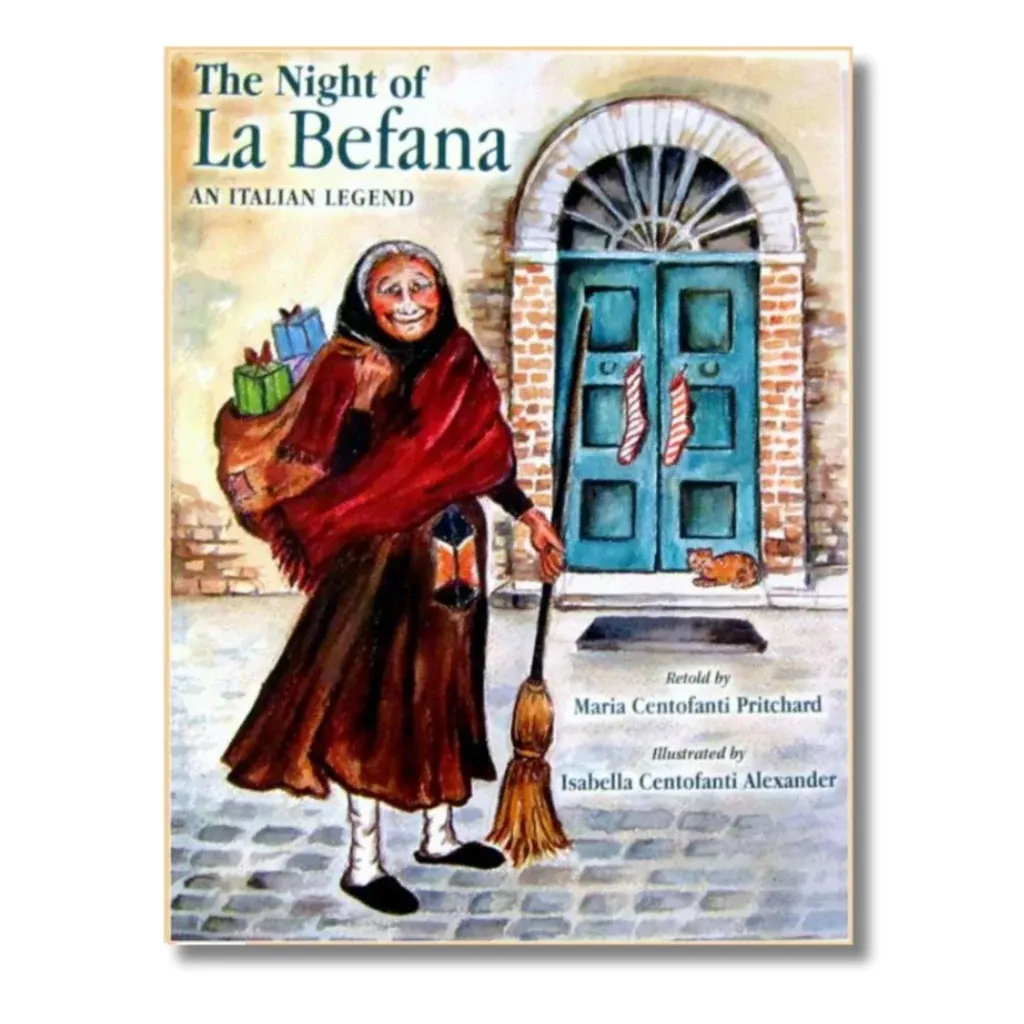
The Night of La Befana
Italian Children's Market
$19.99
-
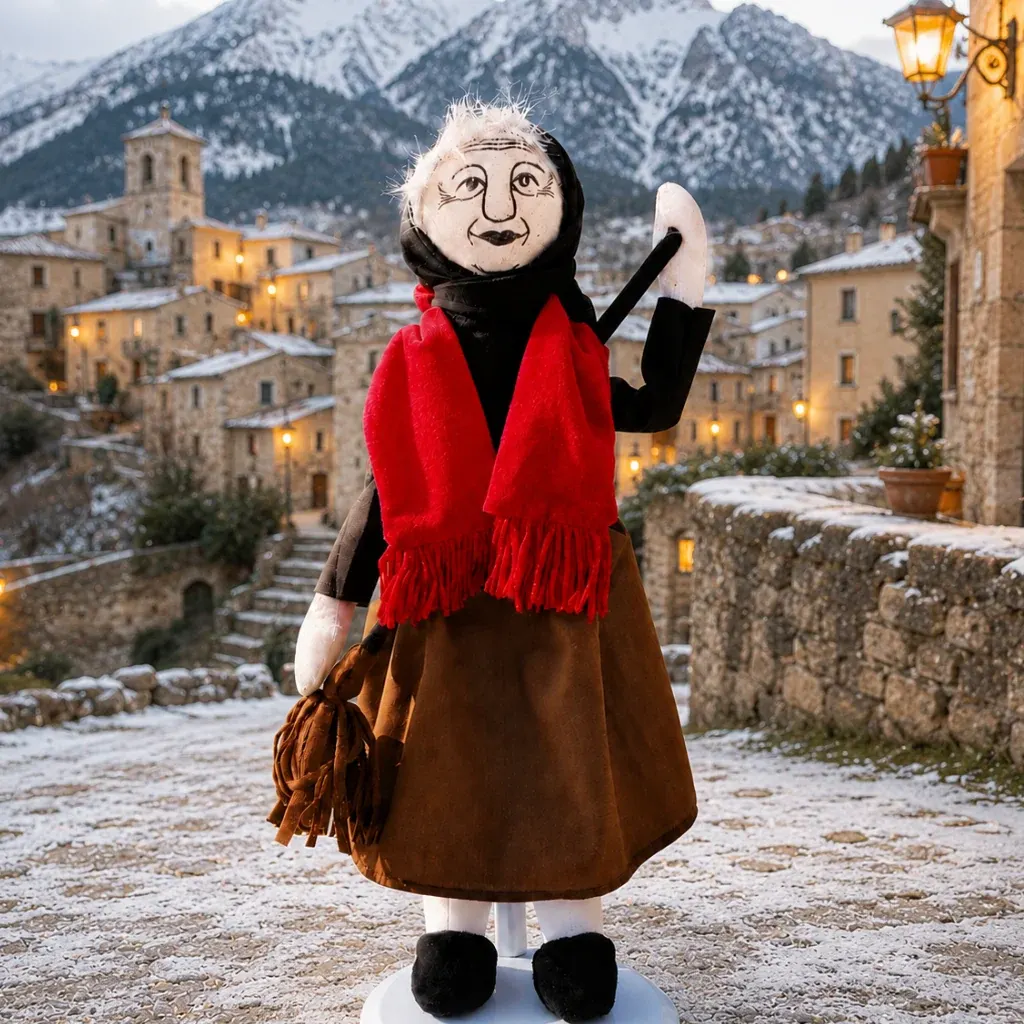
La Befana Rag Doll
Italian Children's Market
$39.99
-
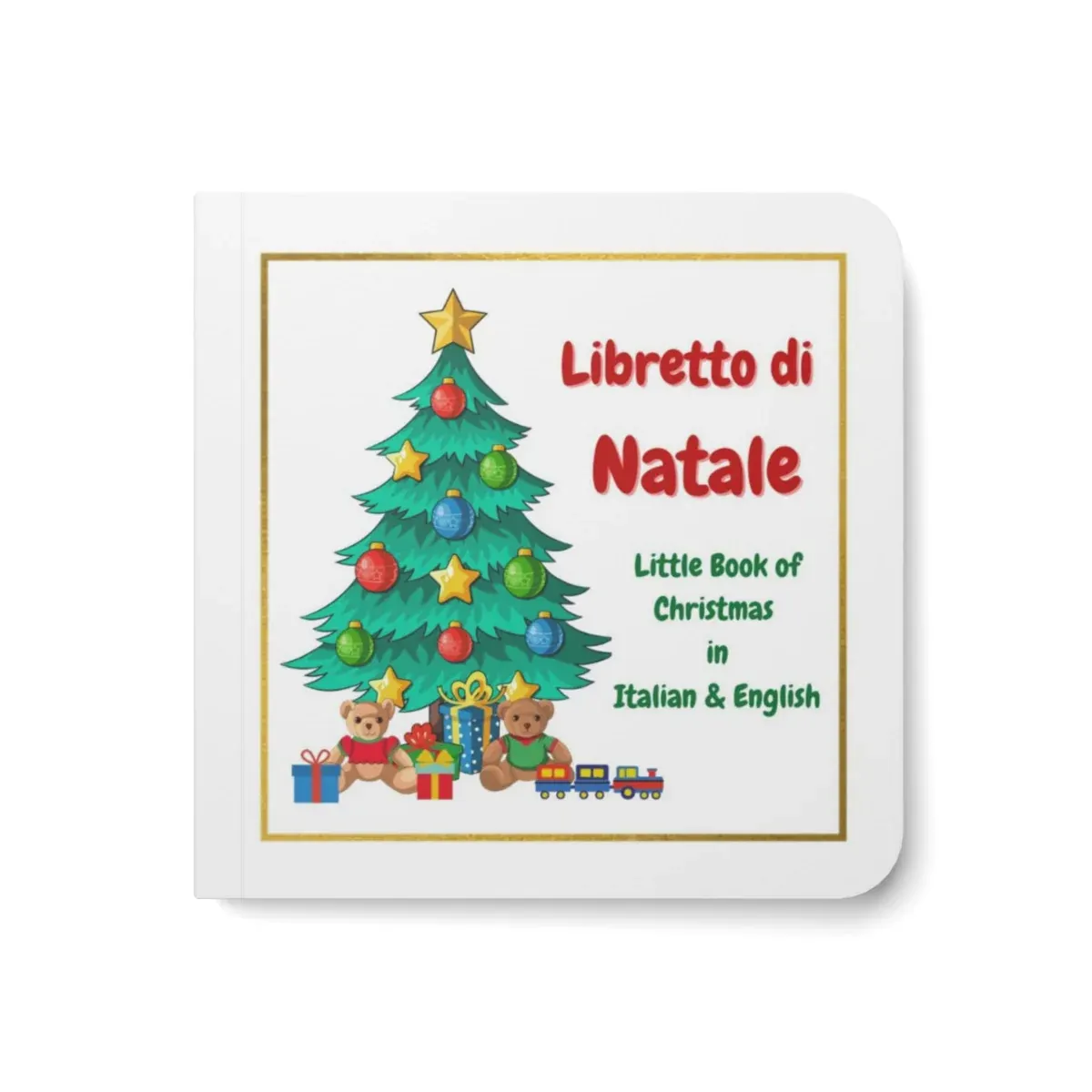
Libretto di Natale, Bilingual Board Book
Italian Children's Market
$11.99
What are good Befana gifts for kids?
Alongside the sweets, many families add one small gift. Something that connects a child to Italian language, food or family works well, because it carries the meaning of the night.
A plush bear that speaks only Italian, a play dough pasta set for a child who wants to cook beside Nonna, or a tricolor hat for a cold January walk all fit easily beside a stocking. For a child who has never seen them, Sicilian marzipan shaped like fruit is a charming surprise.
For more ideas, browse our Italian stocking stuffers and gifts for Italian kids.
-
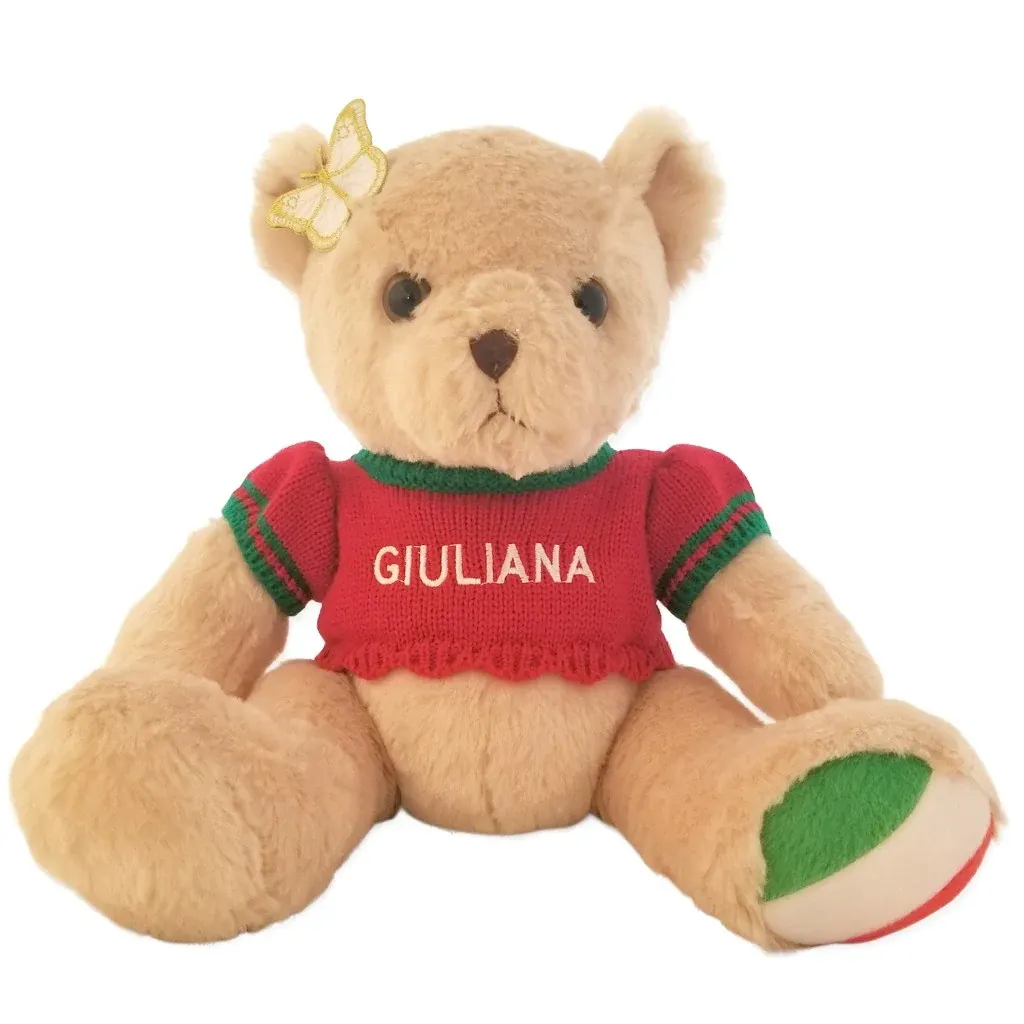
Giuliana Italian Talking Plush Bear
Italian Children's Market
$39.99
-
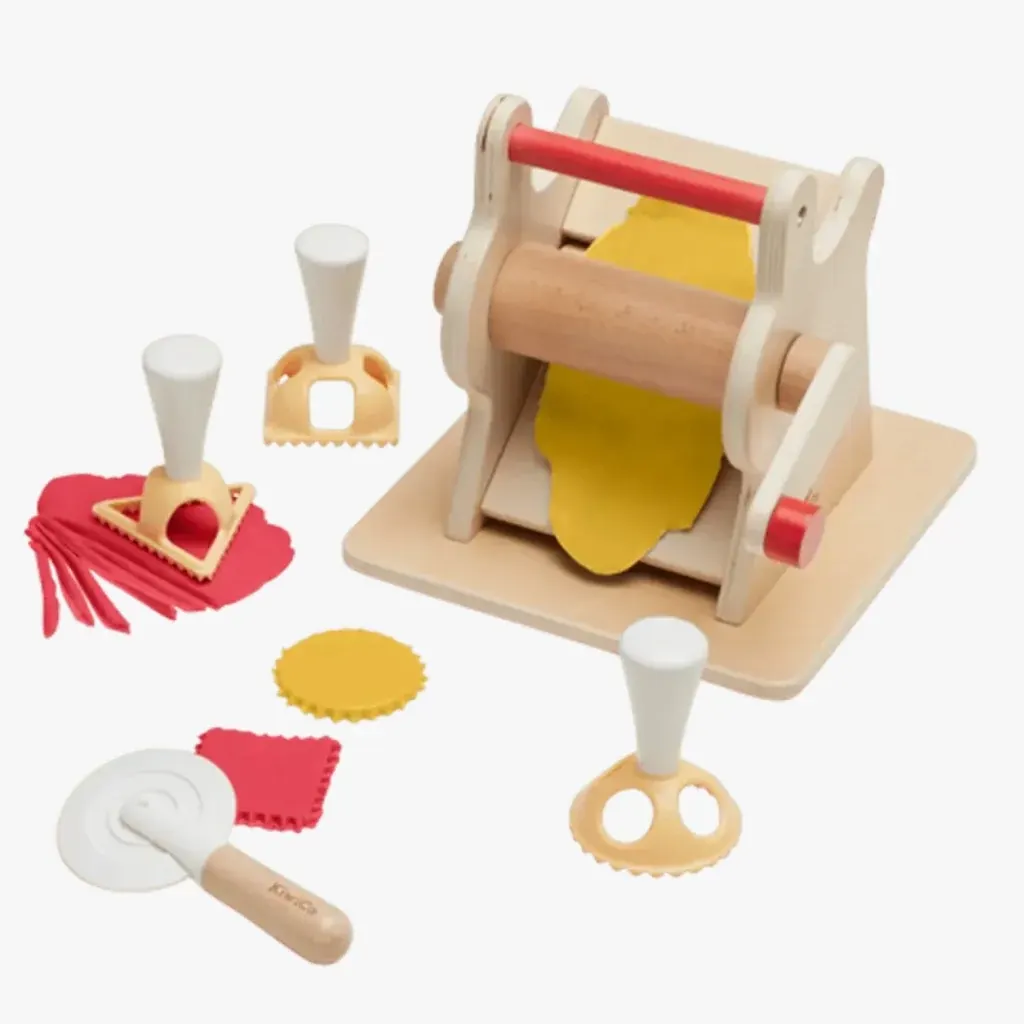
Kids' Play Dough Pasta Maker
Italian Children's Market
$49.99
-
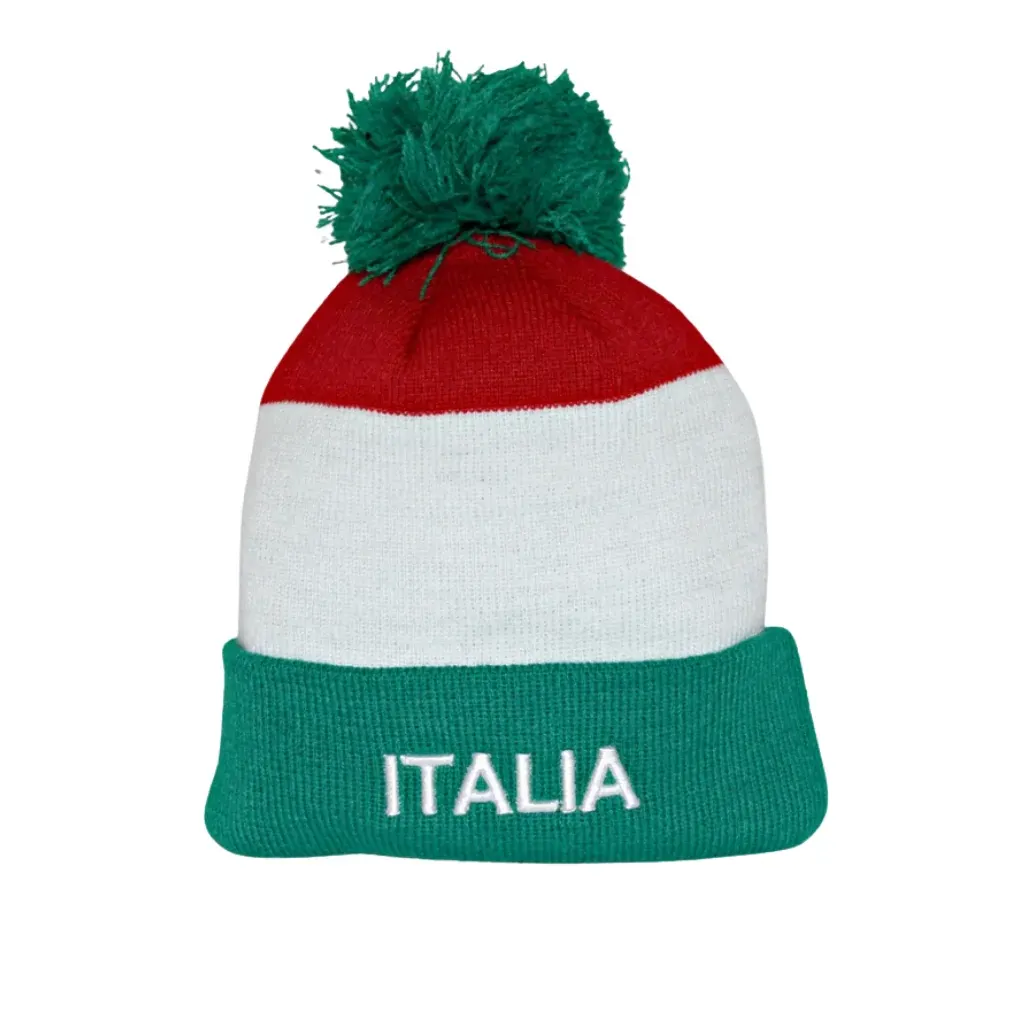
Tricolor Knit Hat
Italian Children's Market
$24.99
-
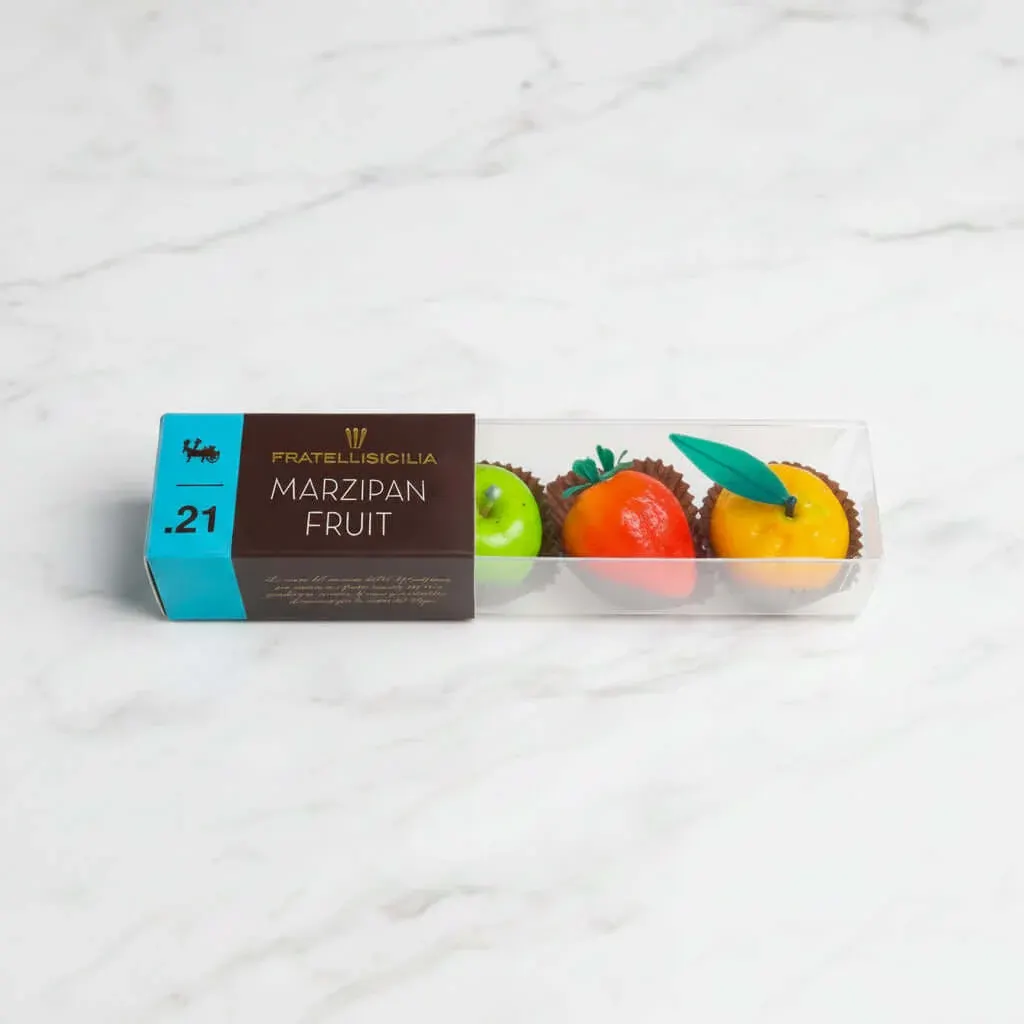
Frutta Martorana Sicilian Marzipan Fruits
Di Bruno Bros.
$15.99
Made in Italy -
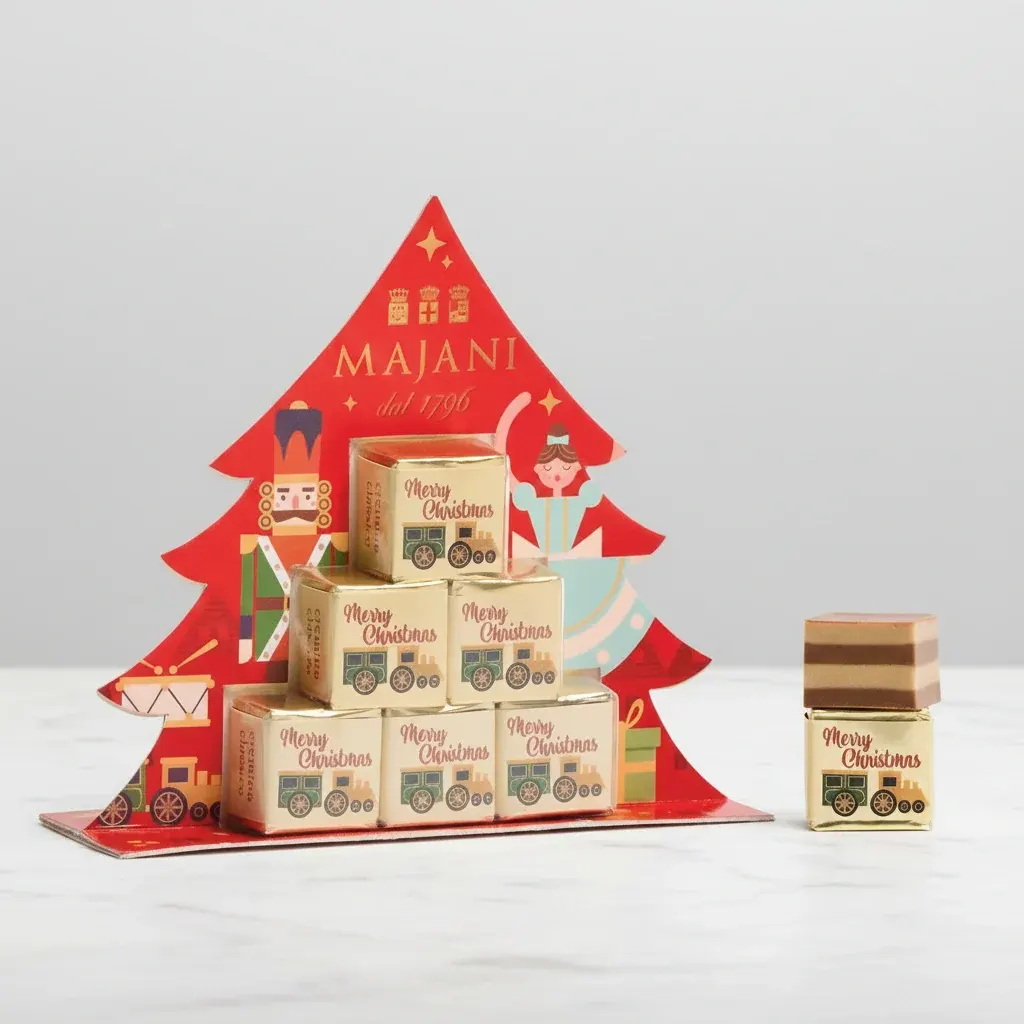
Majani Fiat Cremino Christmas Tree Box
Di Bruno Bros.
$19.99
Made in Italy