In short: Panettone is the tall, domed sweet bread from Milan, filled with raisins and candied citrus. Pandoro is the star-shaped, plain, buttery bread from Verona, dusted with powdered sugar. Give panettone to a traditionalist or a fruit lover, and pandoro to children and anyone who picks out the raisins.
Every December, two tall boxes show up on Italian and Italian-American tables, and most families have a favorite. Both are rich, slow-risen holiday breads. They are made for sharing, they keep well, and they are easy to carry through the door.
Here is how they differ, how to choose one as a gift, and what to do with it once the box is open.
What is panettone?
Panettone comes from Milan. It is a tall, domed sweet bread, baked in a paper collar that holds its shape, and filled with raisins and candied citrus such as orange and citron.
The dough is rich with butter and eggs and is traditionally leavened with a natural starter. A good one takes days to make, with long, slow rises. That patience is what gives panettone its soft crumb, which pulls apart in long, feathery strands.
The classic version keeps to raisins and candied orange. Bakers also make it with chocolate, pistachio, lemon and other fruit.
-
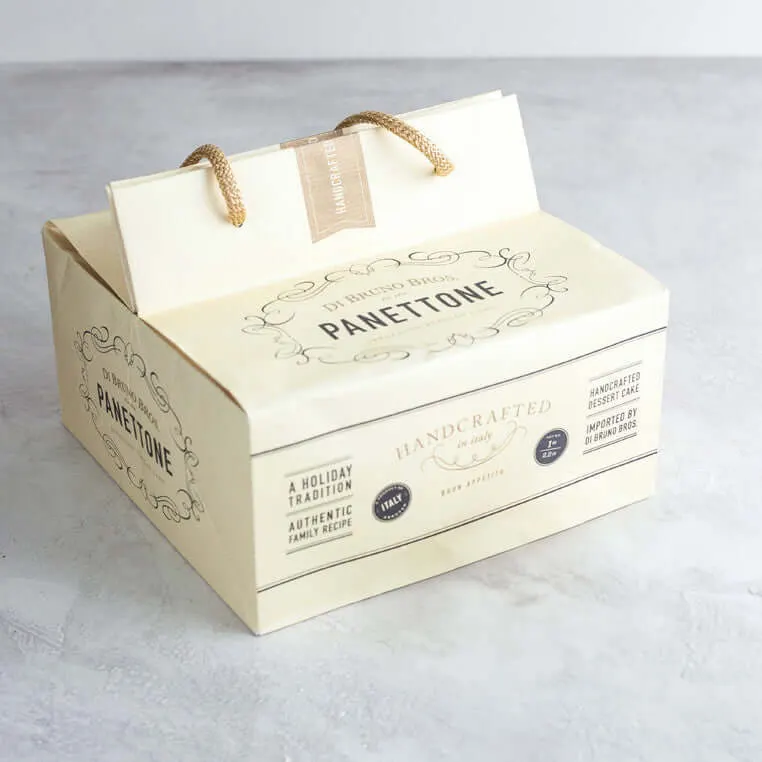
Di Bruno Bros. Classic Panettone
Di Bruno Bros.
$32.99
Made in Italy -
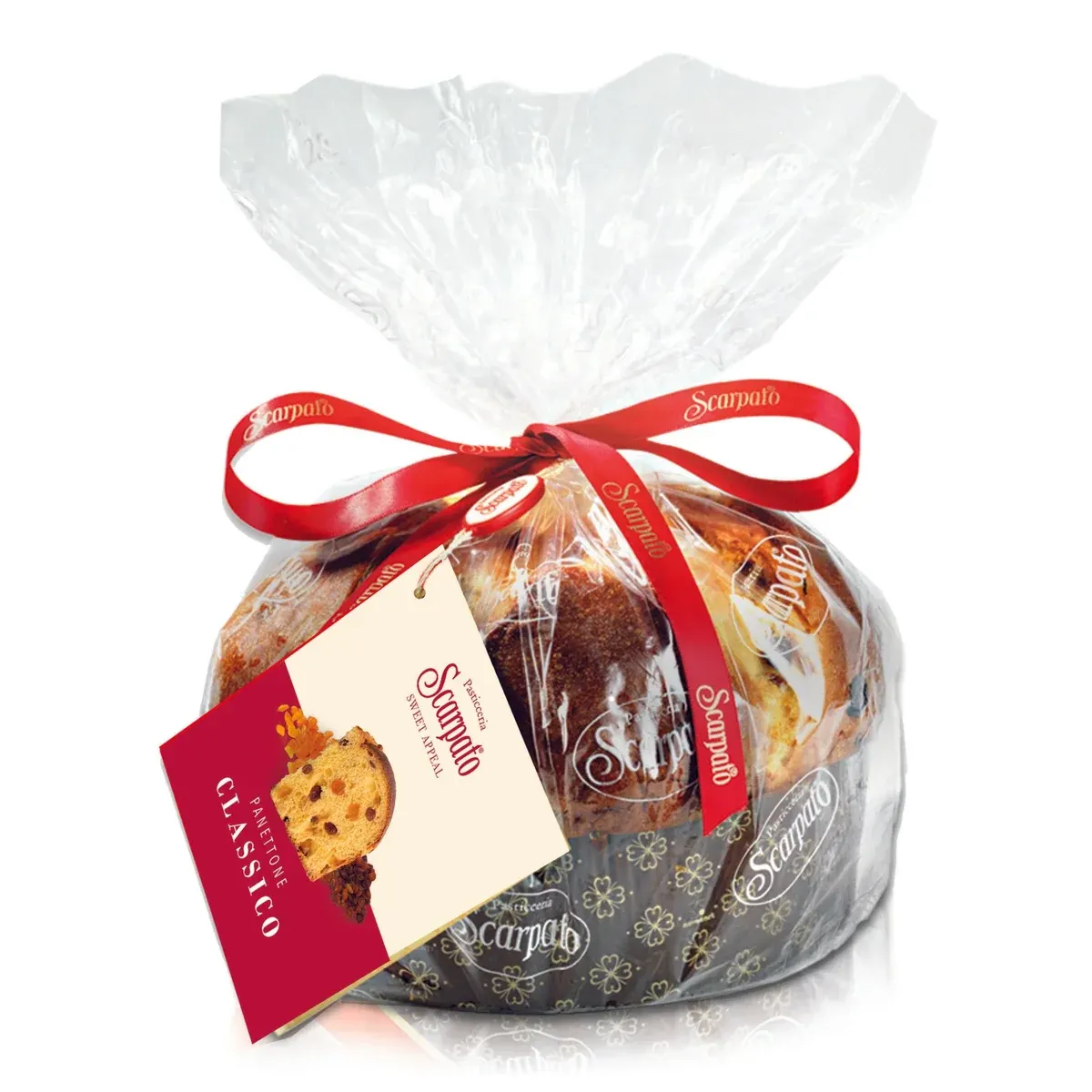
Scarpato Classico Panettone
Ritrovo Italian Regional Foods
$40
Made in Italy -
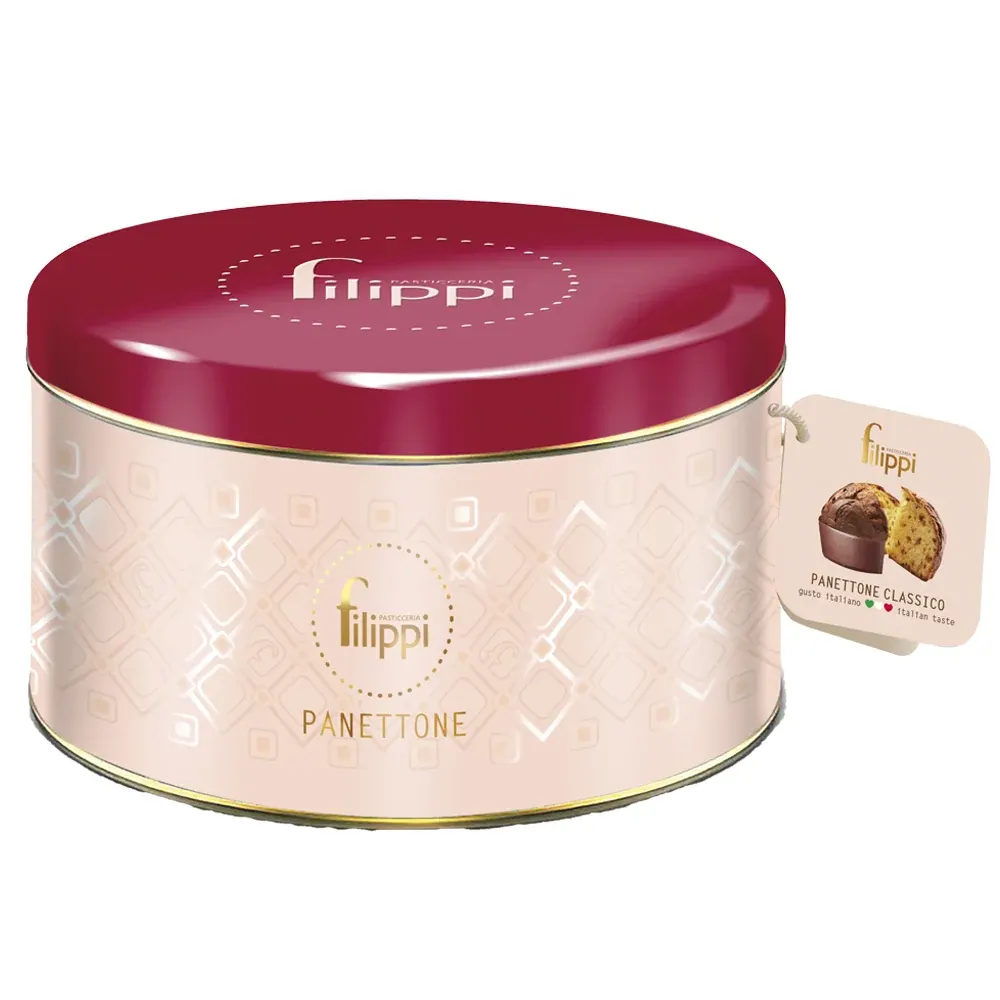
Pasticceria Filippi Classic Panettone in a Tin
Market Hall Foods
$72.95
-
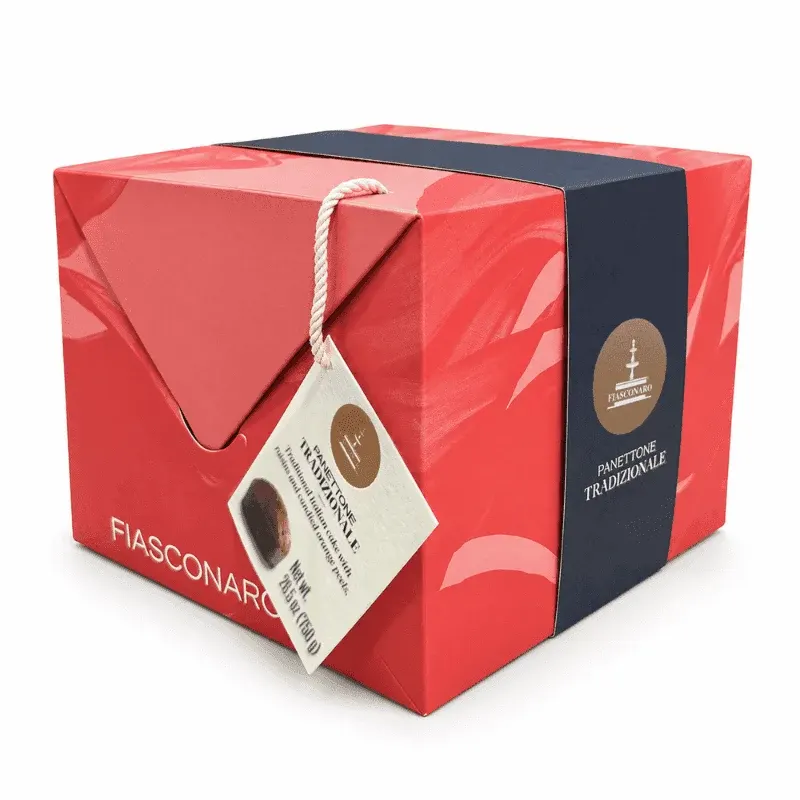
Fiasconaro Tradizionale Panettone, 1.7 lb
Supermarket Italy
$38.99
Panettone vs pandoro: what is the difference?
Pandoro comes from Verona. The name means golden bread, for the deep yellow color that butter and egg yolks give the crumb. It is baked in a tall mold shaped like an eight-pointed star.
Many pandoro come with a small packet of powdered sugar in the box. You pour it into the bag, close it and shake, and the cake comes out snowy. The short version of the difference: panettone has fruit and pandoro does not.
- Origin: panettone is from Milan, pandoro from Verona.
- Shape: panettone is a tall dome; pandoro is a tall eight-pointed star.
- Inside: panettone has raisins and candied citrus; pandoro is plain, with a golden, buttery crumb.
- Finish: panettone is usually served as it is; pandoro is covered in powdered sugar.
- Flavor: panettone is fragrant with citrus; pandoro is mild, sweet and rich with butter.
How do you choose a panettone or pandoro as a gift?
Start with the person. A traditionalist, or anyone who grew up with it, will want a classic panettone with raisins and candied orange. Someone who picks the fruit out of everything, or a house with small children, will be happier with pandoro.
For a chocolate lover, look for a panettone with chocolate through the dough. For someone who likes something different, try one made with lemon or other fruit.
Then think about size and the box. A one-kilogram loaf, about 2.2 pounds, feeds a full holiday table, while a smaller loaf suits a couple. A panettone in a tin is a gift twice, because the tin stays in the kitchen for cookies long after the bread is gone.
-
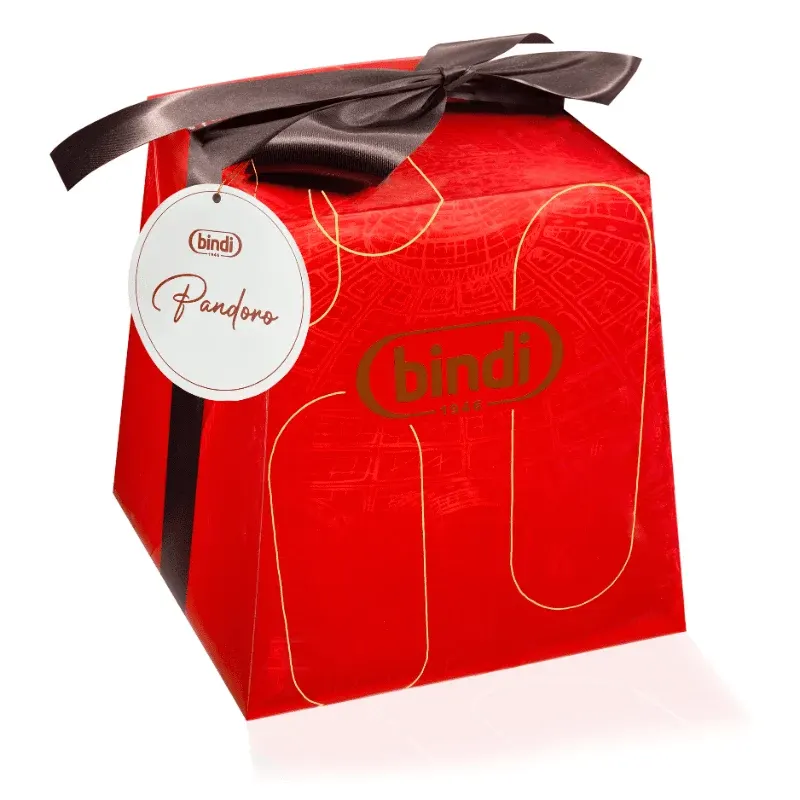
Bindi Classic Pandoro, 2.2 lb
Supermarket Italy
$42.99
-
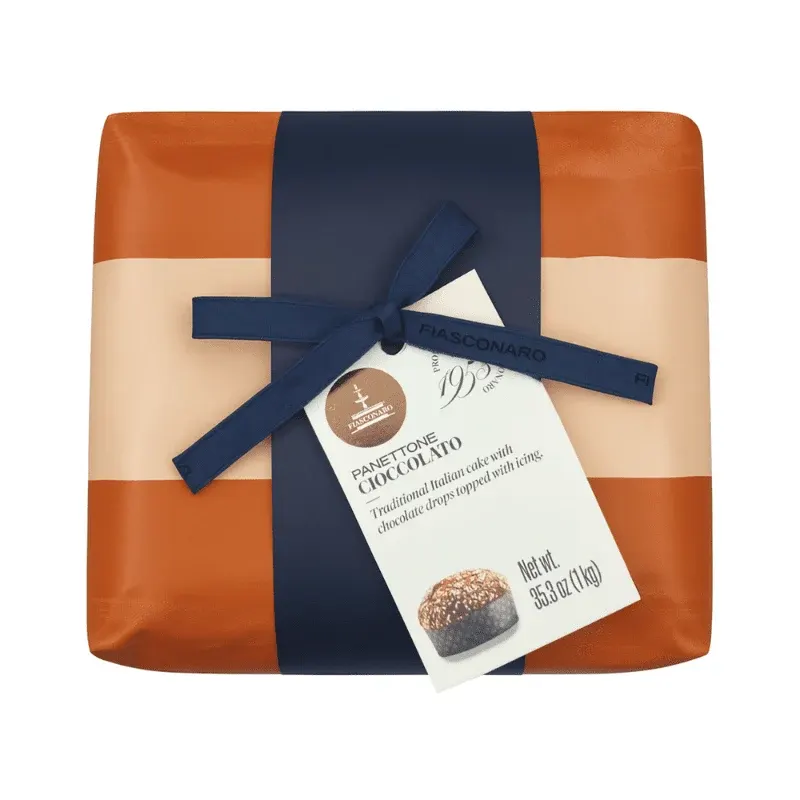
Fiasconaro Cioccolato Chocolate Panettone, 2.2 lb
Supermarket Italy
$39.99
$42.997% off -
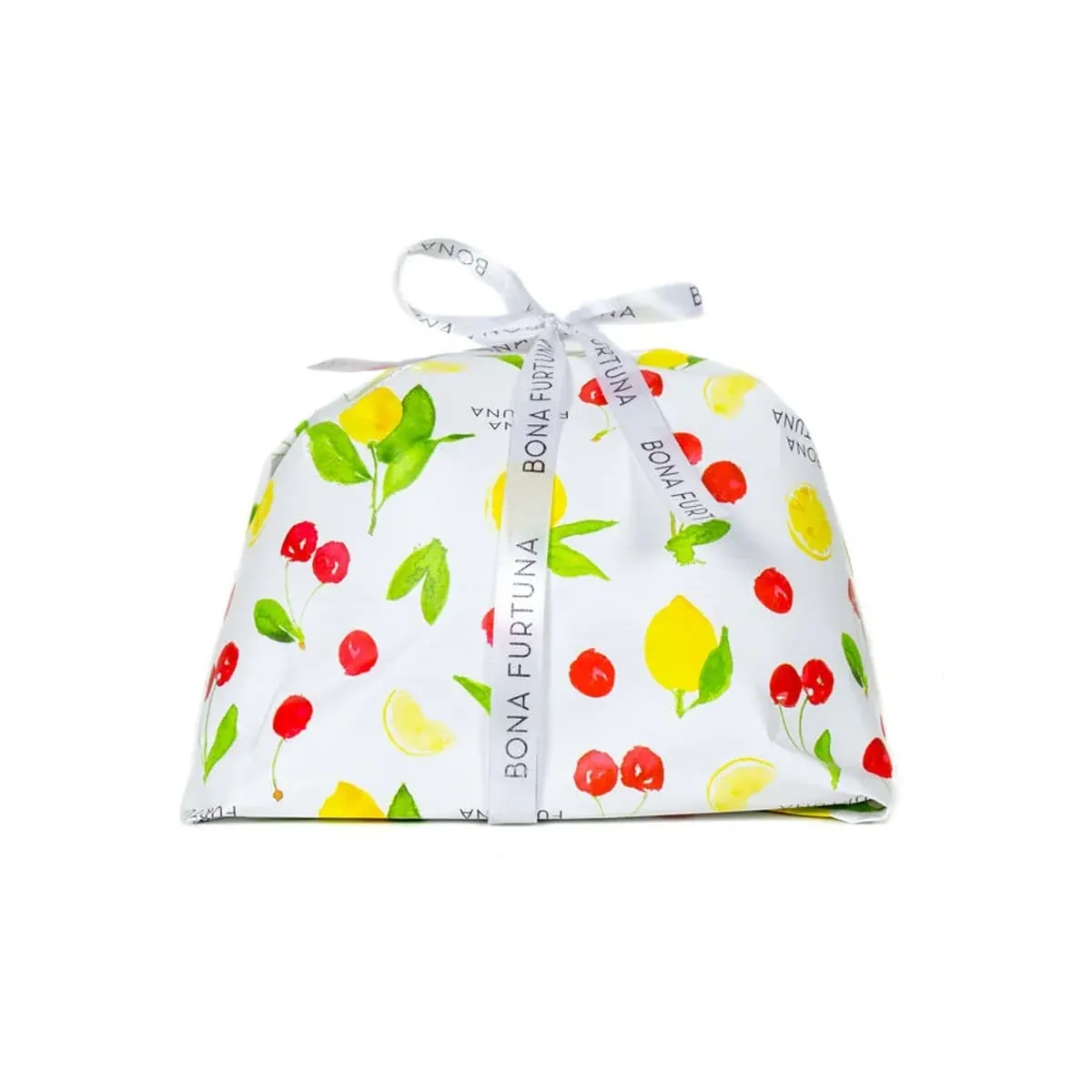
Organic Lemon & Cherry Panettone
Bona Furtuna
$62.95
-
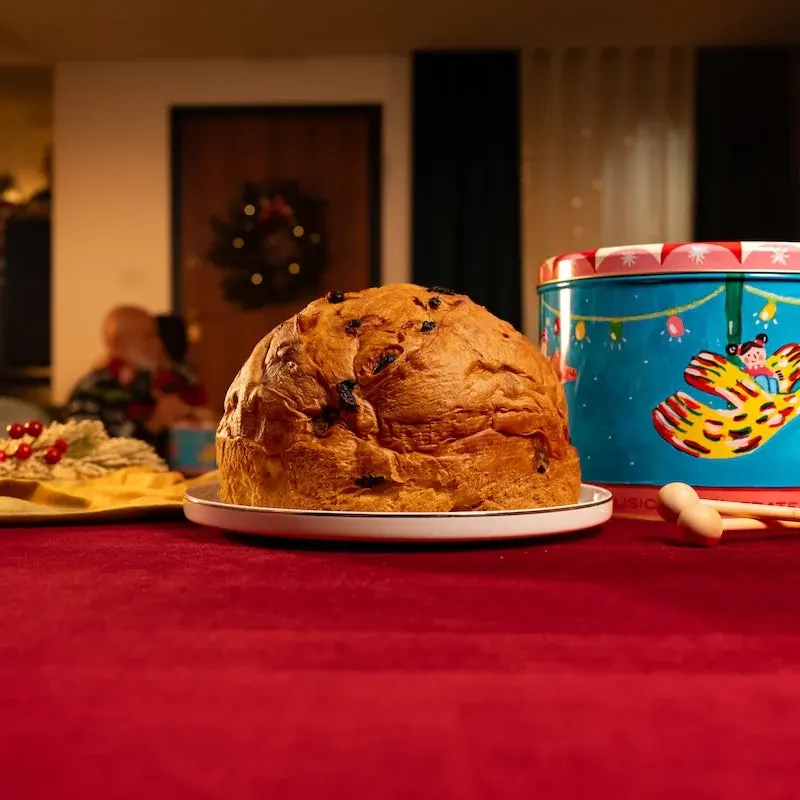
Fratelli Sicilia La Giostra Sourdough Panettone
Di Bruno Bros.
$99.99
How do you serve panettone and pandoro?
Serve both at room temperature. Some people warm a slice gently, which brings out the butter and the scent of the citrus.
Cut panettone into tall wedges from the top down, like a cake. Pandoro is often sliced across into star-shaped layers. Some families stack the slices with the points offset so they look like a small Christmas tree, then dust the whole thing with sugar.
Both go with coffee in the morning or after dinner. Panettone is traditionally set out with nuts, dried fruit and torrone after the Christmas meal. For dessert, add a scoop of ice cream, fresh berries or whipped cream.
How do you store panettone?
Keep it sealed in its bag and box at room temperature, away from the stove. Boxed panettone and pandoro keep for weeks before opening, so check the date printed on the package and plan from there.
Once it is open, fold the bag closed tightly or wrap the cut side, and finish it within a few days. The refrigerator tends to dry the crumb, so leave it on the counter. If the last of it goes stale, it makes very good French toast or bread pudding.
What goes well with a panettone gift?
Because they keep and travel well, panettone and pandoro are a safe choice for family you will not see in December. A holiday basket built around one sends the whole dessert table at once.
If you are bringing one in person, a small extra makes it feel personal: an ornament for the host's tree or a sweater for the youngest guest. For more on the season, see our guide to Italian-American Christmas traditions.
-
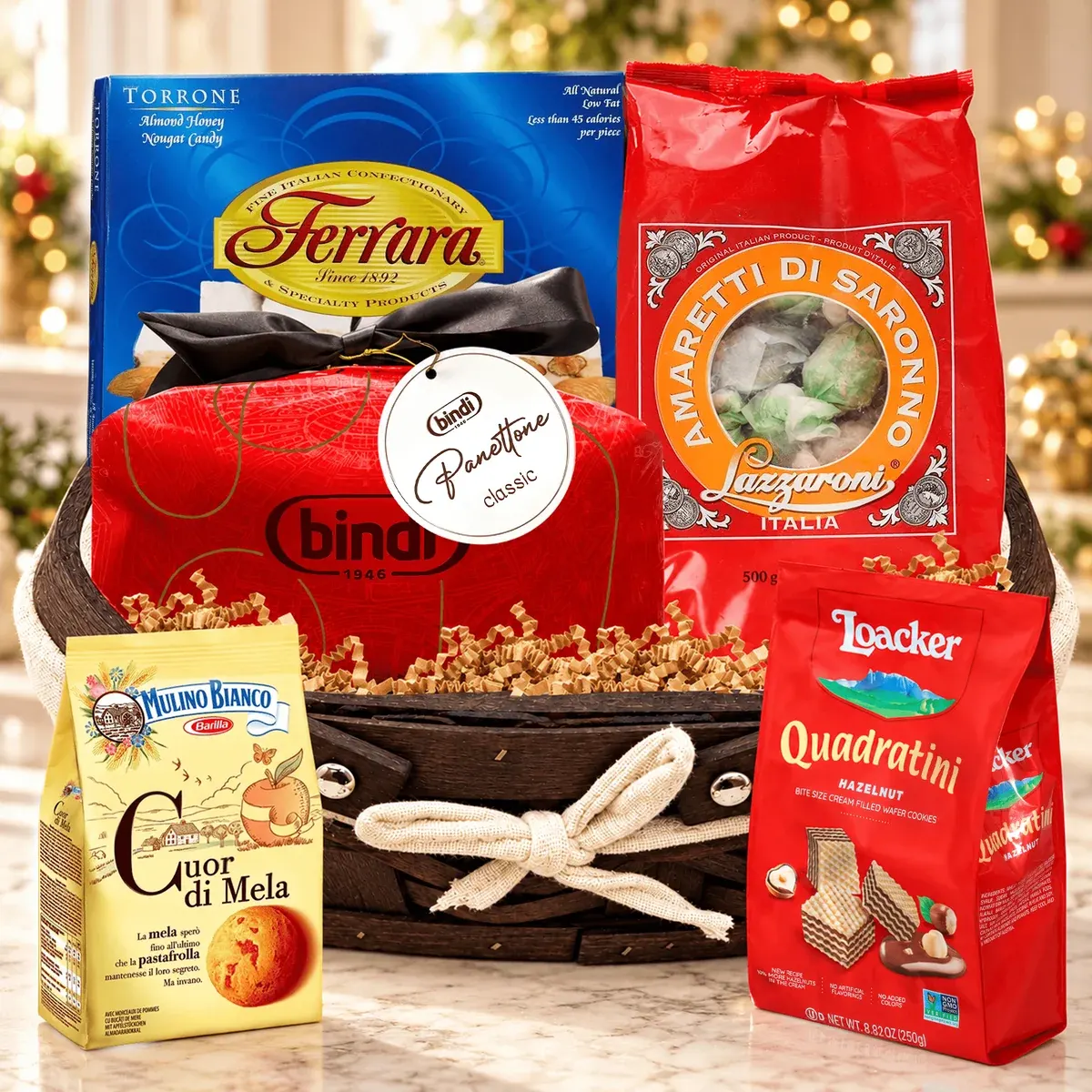
Supermarket Italy Golden Holiday Gift Basket
Supermarket Italy
$129.99
-
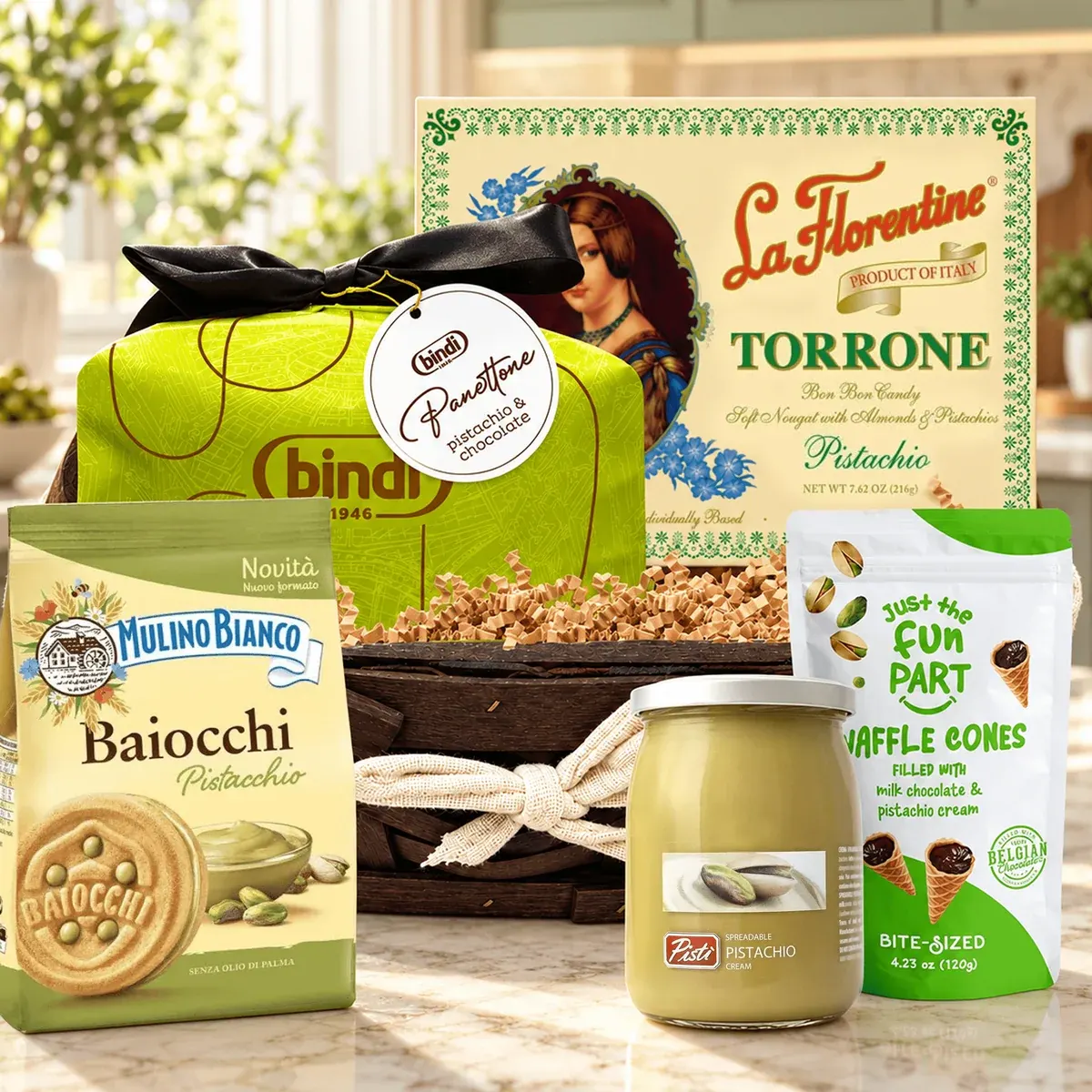
Supermarket Italy Pistachio Paradise Gift Basket
Supermarket Italy
$139.99
-
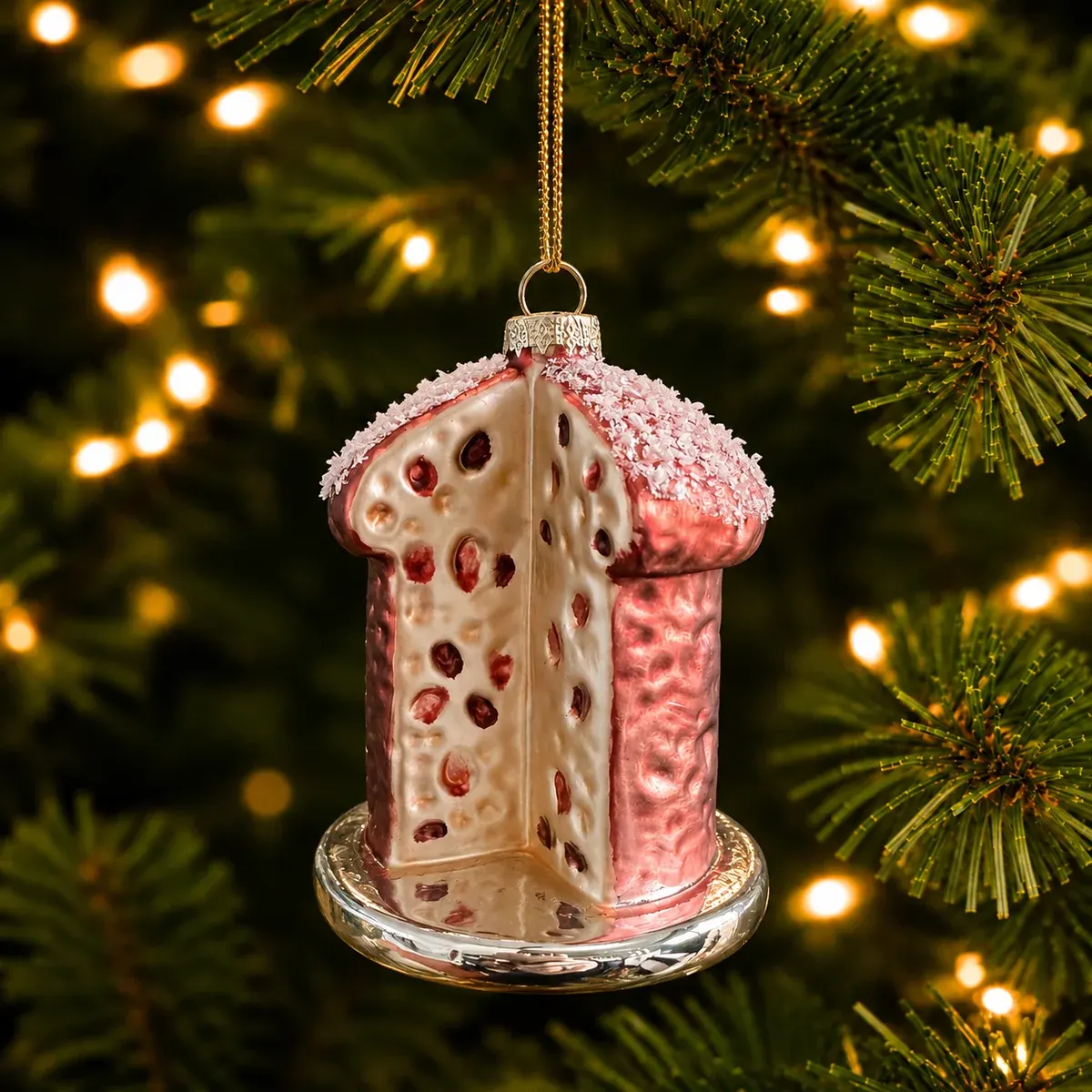
Panettone Christmas Ornament
Hardcore Italians
$20
-
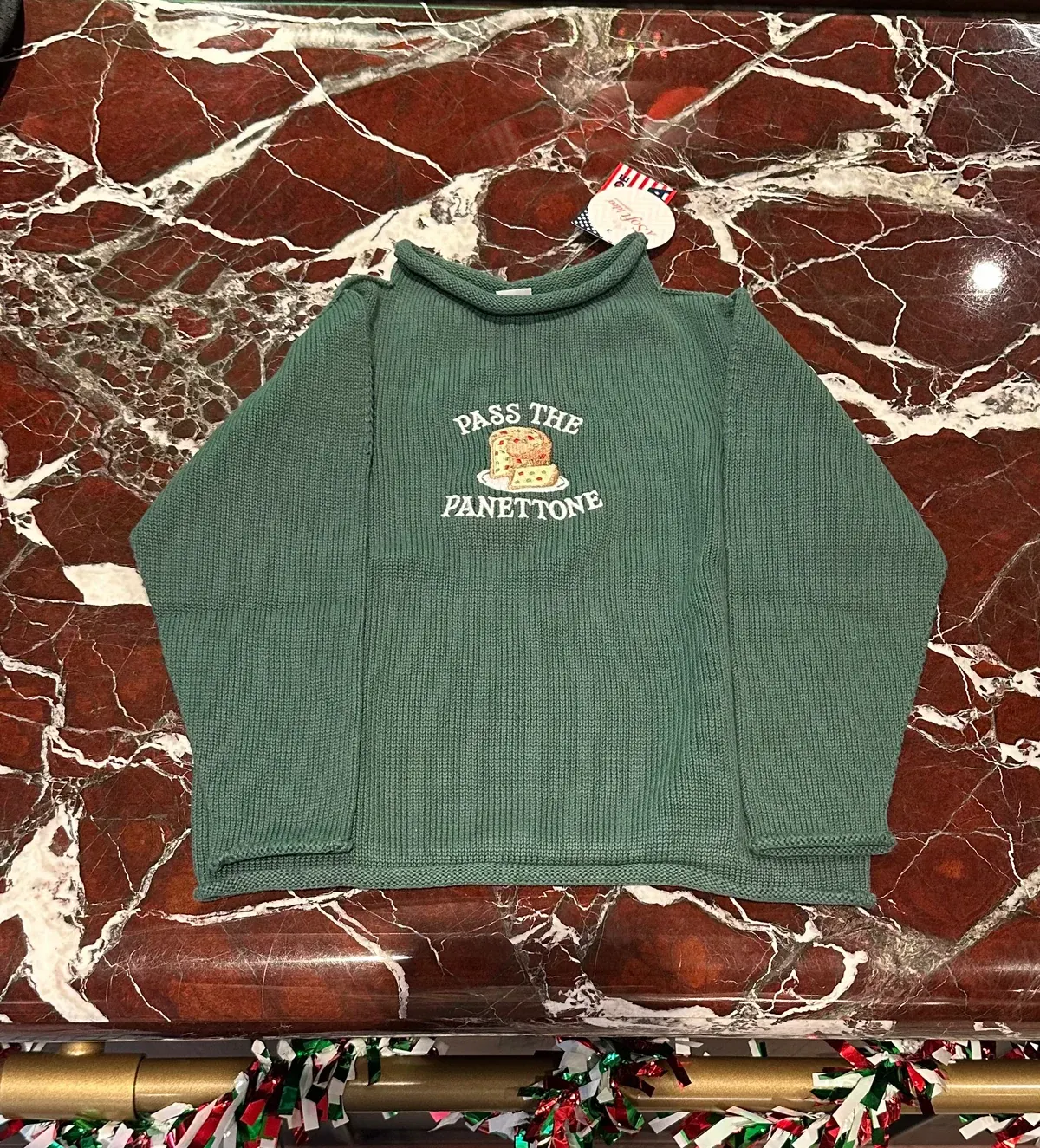
Pass the Panettone Children's Sweater
Red Sauce Studio
$65